This section contains entries about our botanizing in Baja California written for the UC BEE (Oct 2012 to Aug 2021)
and The UC Hive (2022-), monthly newsletters for volunteers and staff of the UC Berkeley Botanical Garden.
Click on any photo for a larger image.
THE HIVE MAR 2026
Arroyo de Canett, Mulegé — November 2025
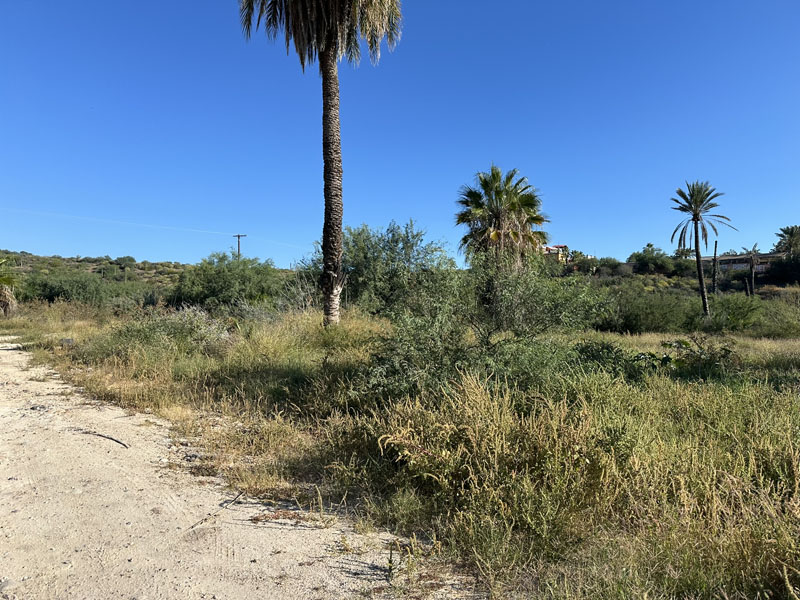
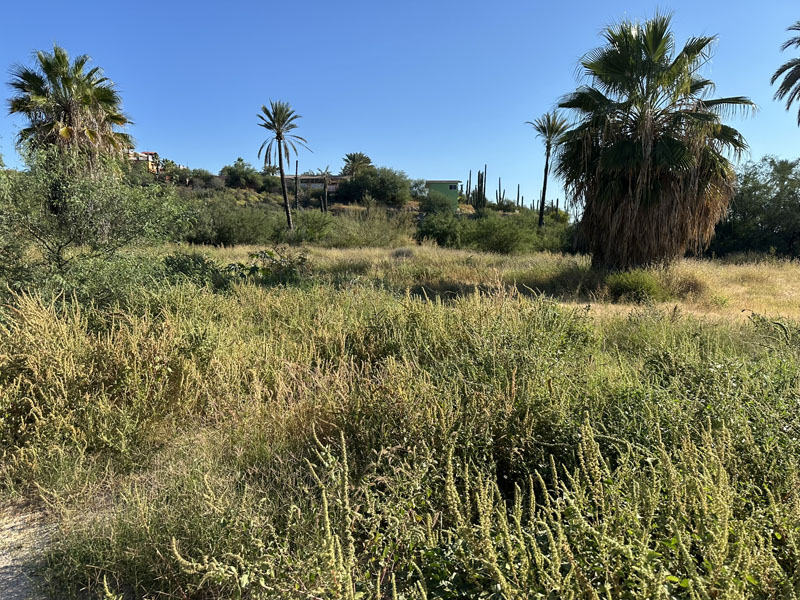
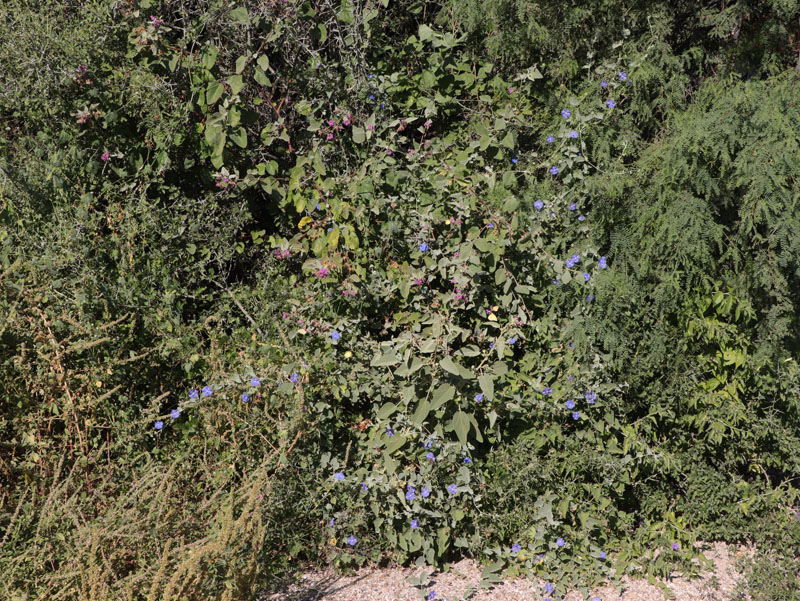
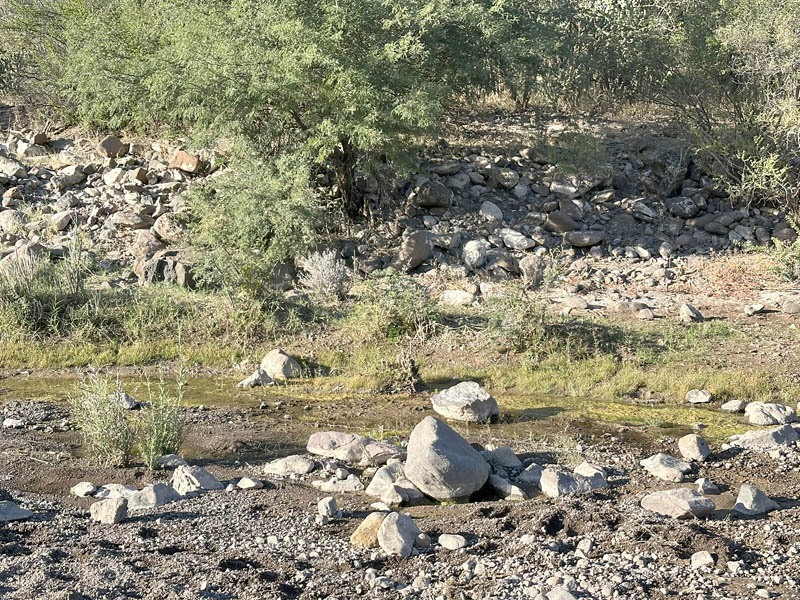
This month, I stay close to home, in fact less than a quarter mile from it. Arroyo Canett ends at the river road, with part of the mouth a vacant lot. In early November, it was abundantly vegetated with Amaranth, Buffel grass, Spiderling and Baja California Nightshade. Manto de la Virgen clambered over shrubs and dense clumps of grass. Walking up the arroyo past the lot, I could see so many species with new growth, with buds or flowers, or laden with fruit in their waning months. Butterflies, bees and other insects flew past, many more were busy flitting between flowers. And a covey of quail popped out briefly from cover to forage along the edge of the lot.
As I wrote in my December 2025 entry, the late summer rains were abundant; so here I was again just a few days after arriving in Mulege out and about enjoying nature in all her glory. Below, are only some of the species of plants and butterflies I saw that day. In order to keep from repeating previously posted information, I’ll try to keep comments limited to mostly identification of the taxon unless there is something new or noteworthy.
For a previous walk in Arroyo de Canett, see April 2024
For a full list of this month's plants and other organisms (with family, latín name and common names in both English and Spanish), visit this page.
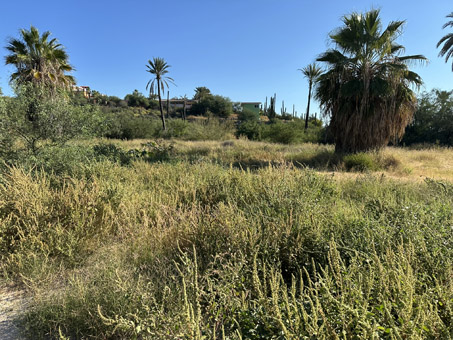
The vacant lot.
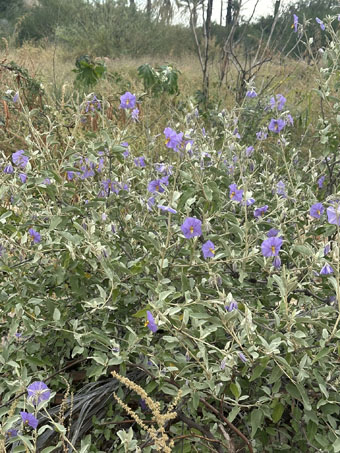
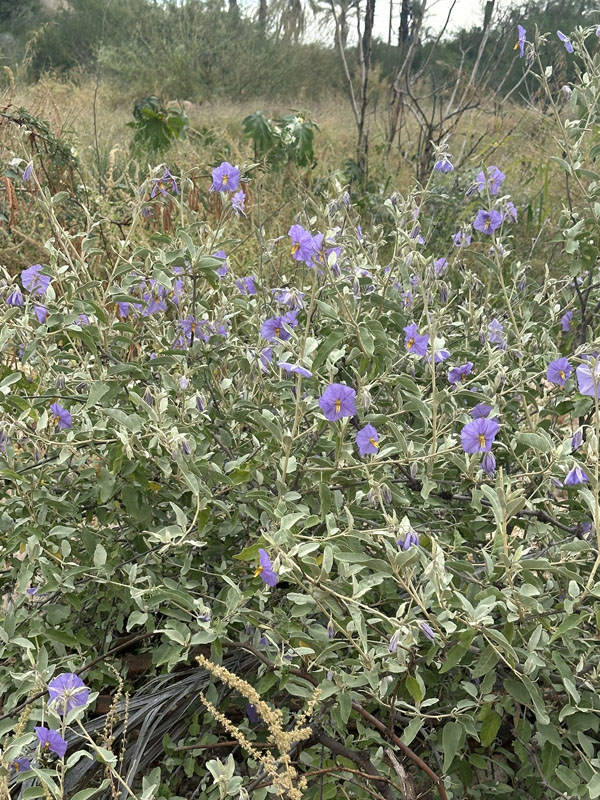
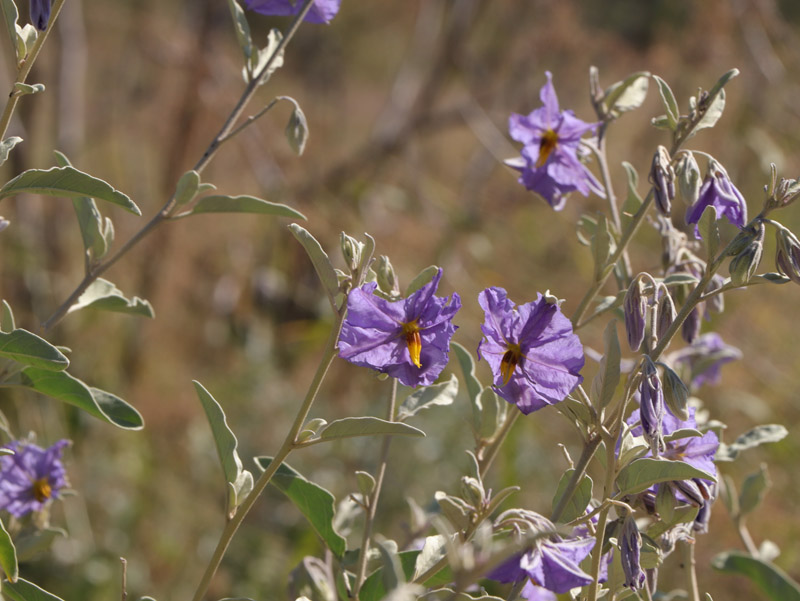
The Baja California Nightshade (Solanum hindsianum) was very impressive along the arroyo.
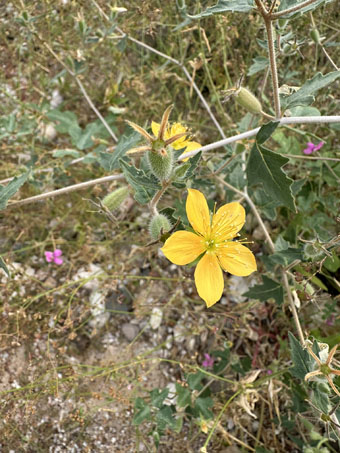
Watch where you step or the Pegarropa (Mentzelia adhaerens) will hitch a ride home on your clothes.
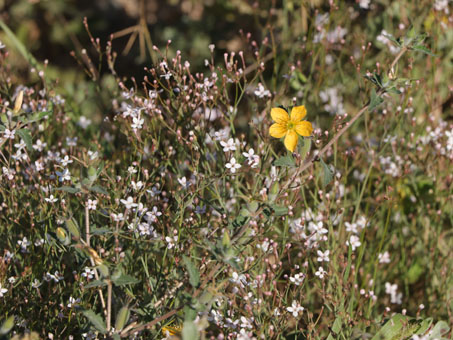
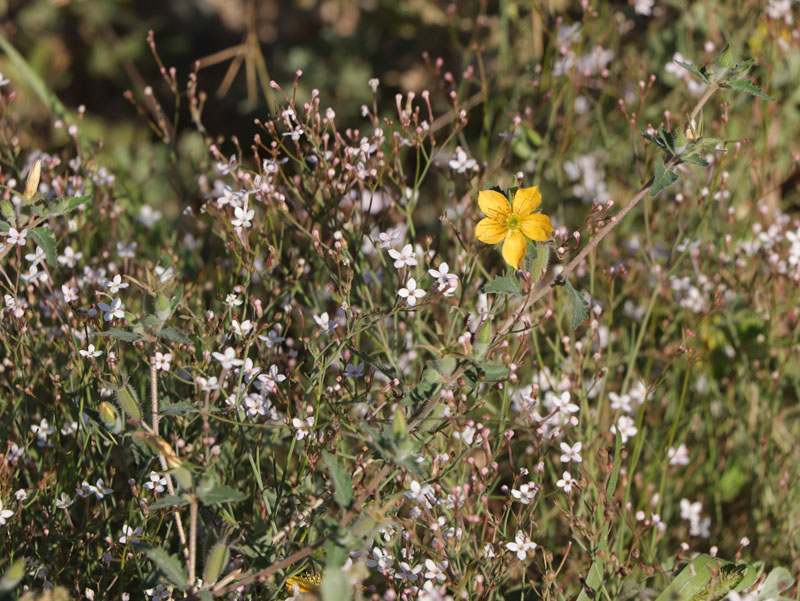
Baja California Star-Violet, Spiderling and Pegarropa.
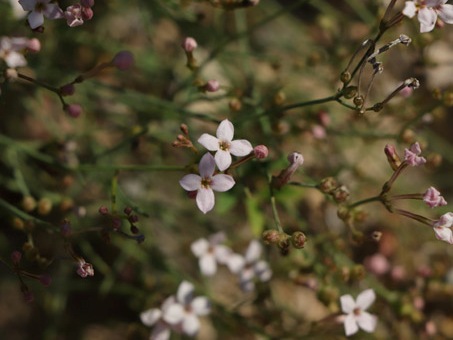
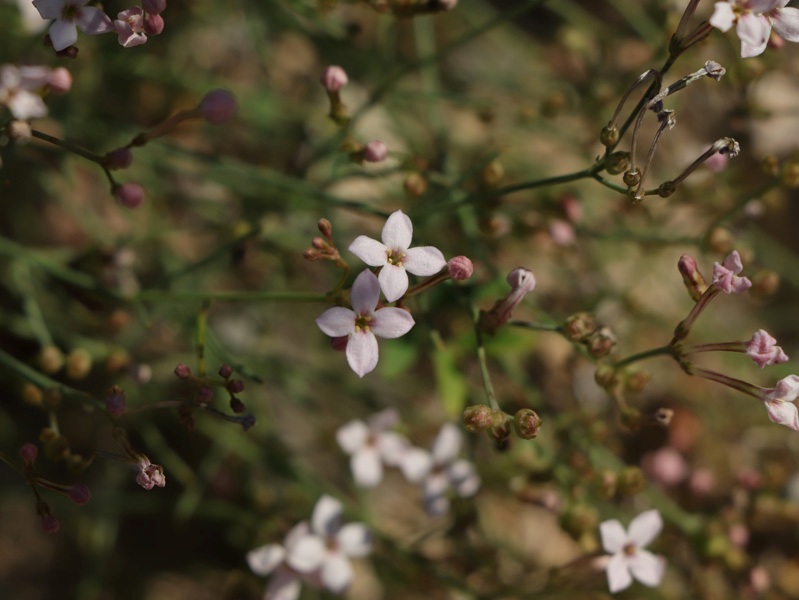
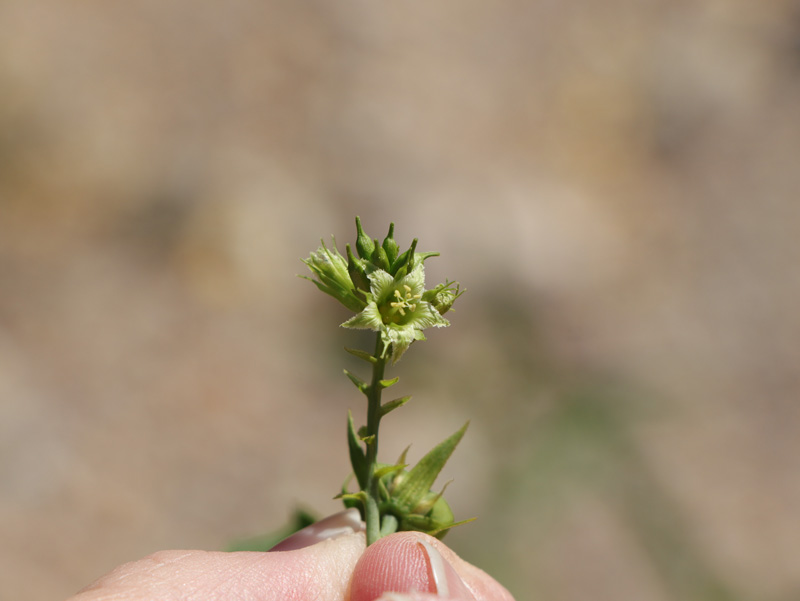
Baja Calif. Star-Violet (Stenotis brevipes). Fls 5-8 mm D, 10-16 mm L. This airy, finely branched perennial is endemic to the S peninsula.
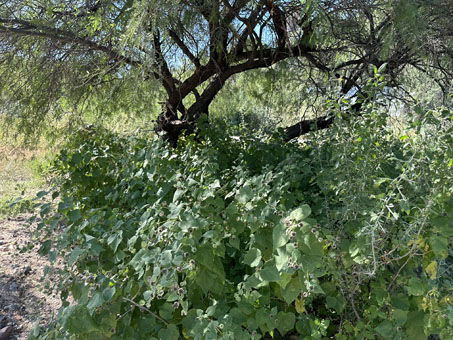
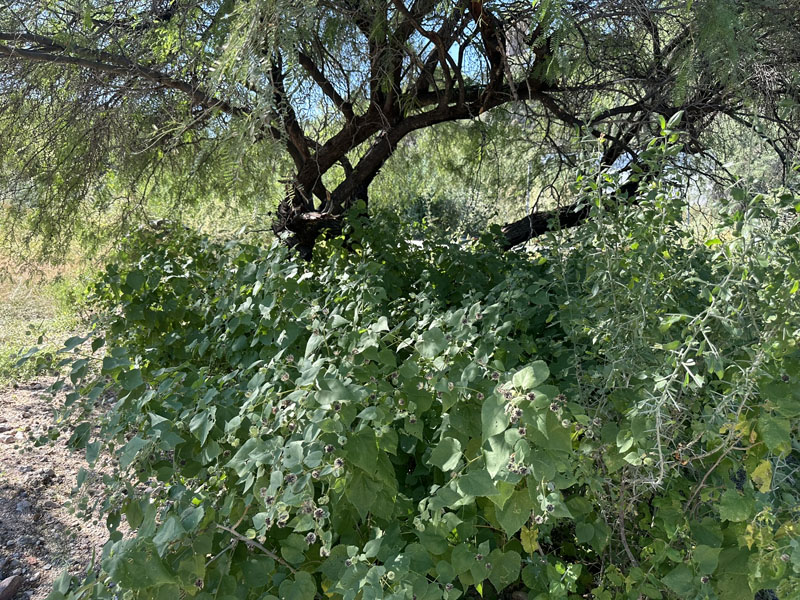
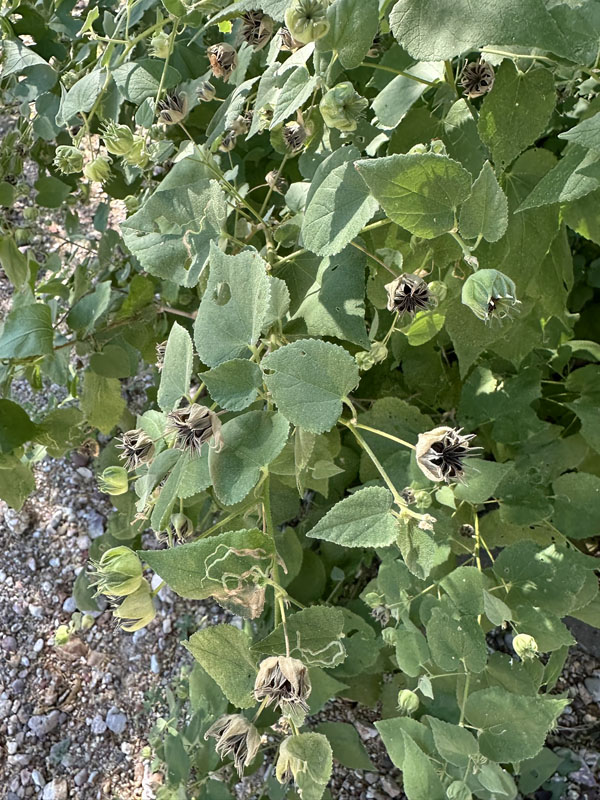
Lush Palmer Indian-Mallow (Abutilon palmeri) in the shade of a Mesquite. The plants were loaded with fruit & seeds & a few buds.
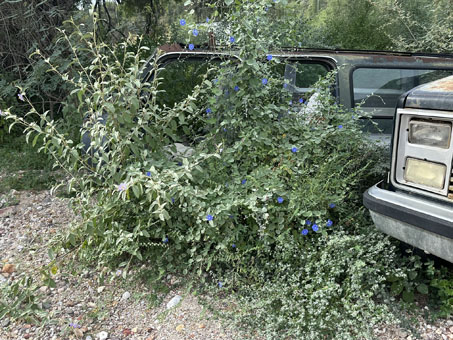
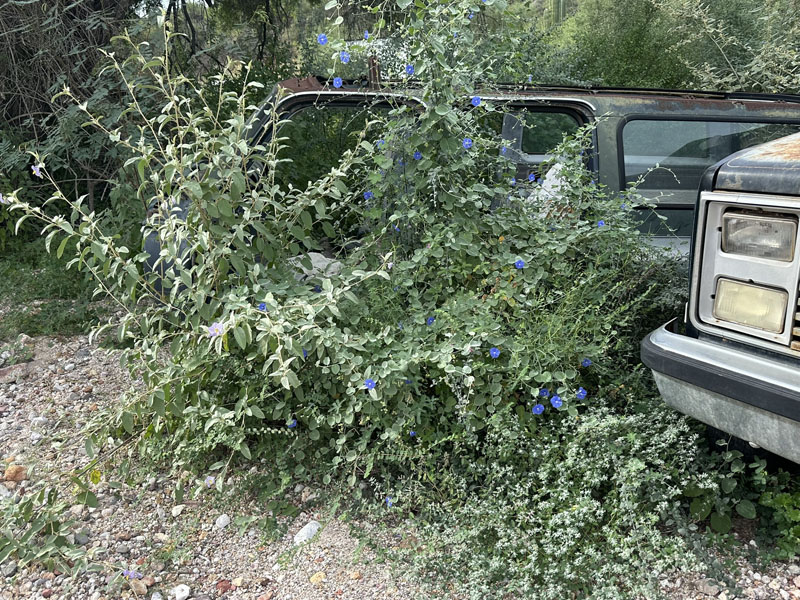
A variety of annual & perennial herbs, including Baja Calif. Nightshade, Eastwood Clustervine, Louse Spurge & Gulf Vaseyanthus.
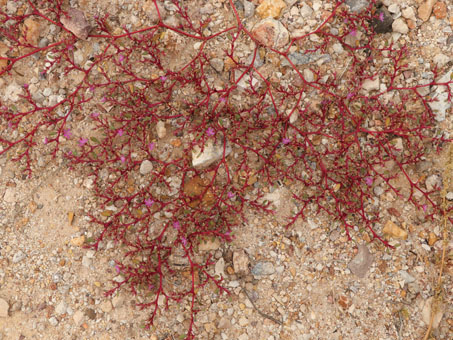
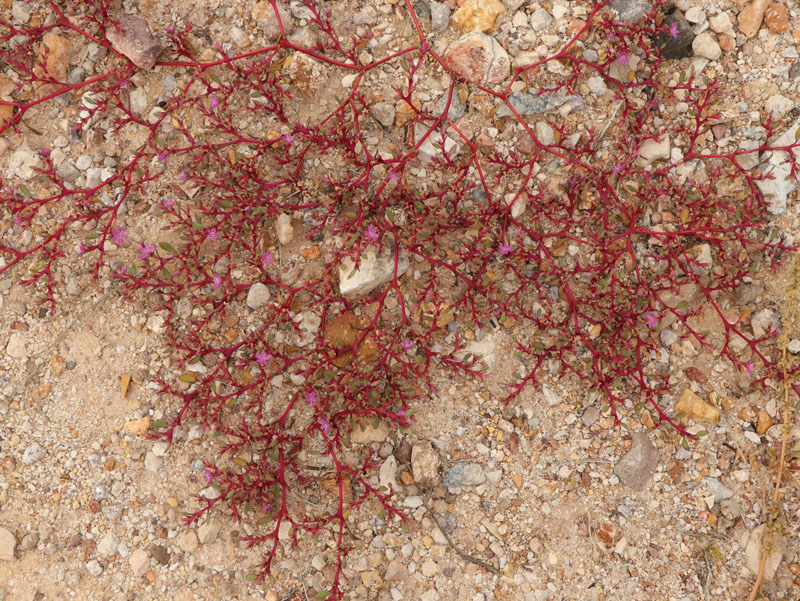
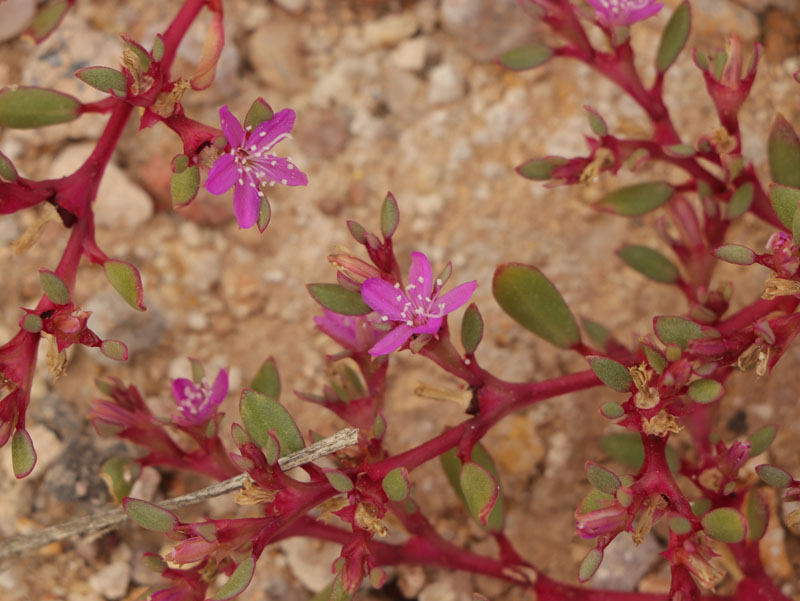
Horse Purslane (Trianthema portulacastrum).
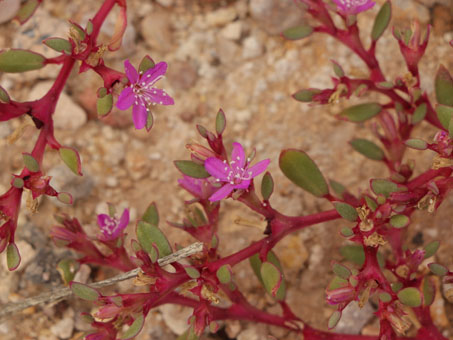
Horse Purslane flowers lack petals; instead, the sepals are petalloid.
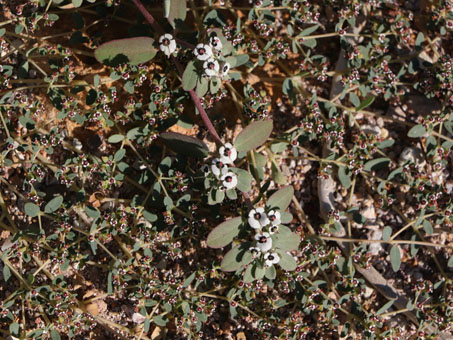
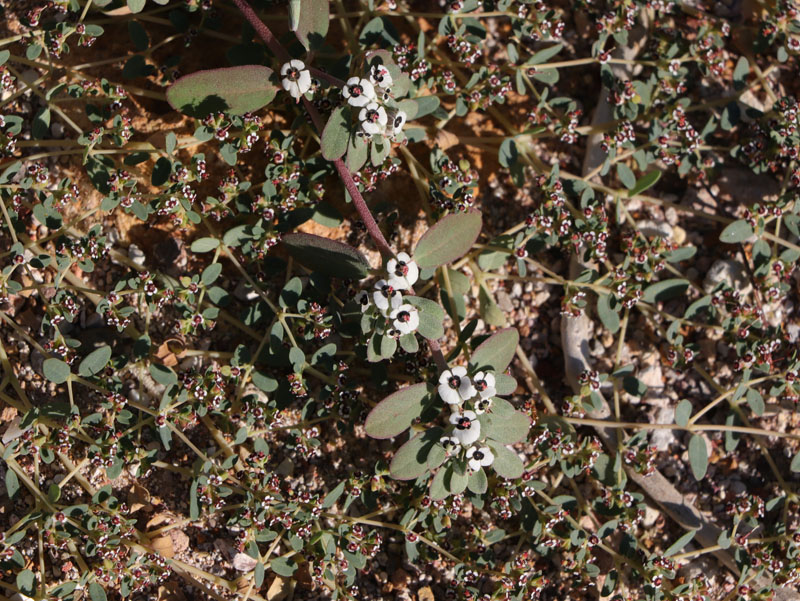
Small-seed Sandmat (Euphorbia polycarpa) and the larger flowered Louse Spurge (E. pediculifera).
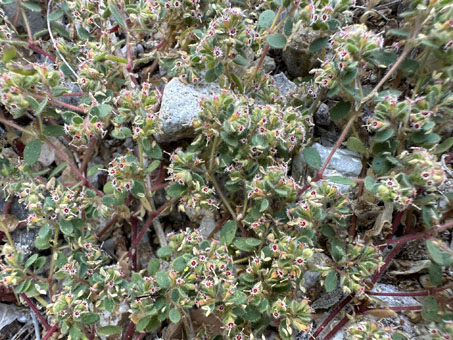
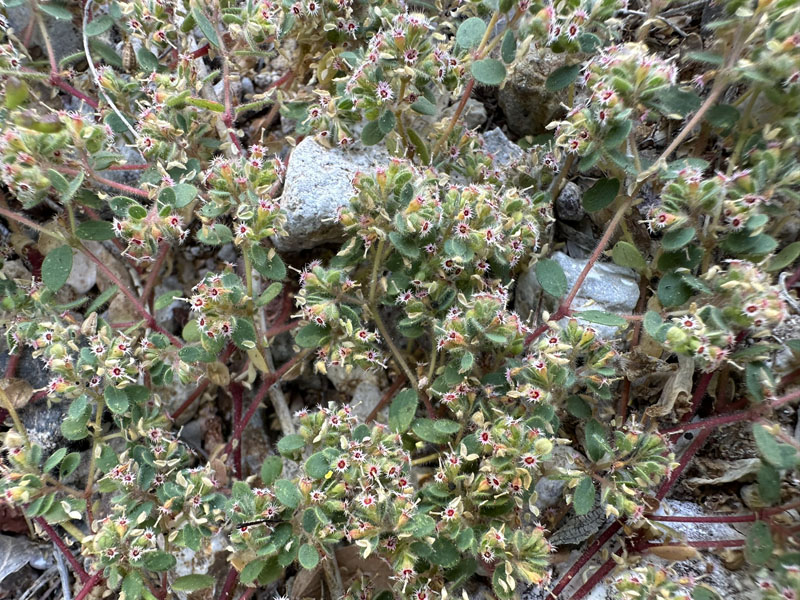
Yet another sandmat, Fringed Spurge (E. setiloba). The minute gland appendages are incised and the plant is noticeably pubescent.
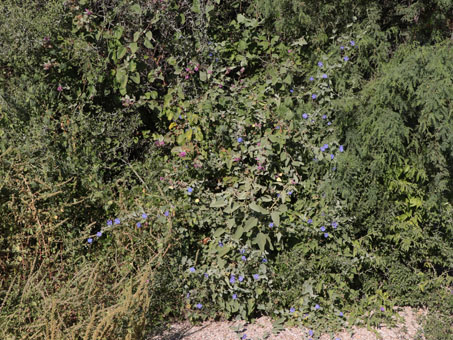
A butterfly, wasp and bee haven with an abundant mix of flowers. I stood there a long time and just let them come to me for portraits.
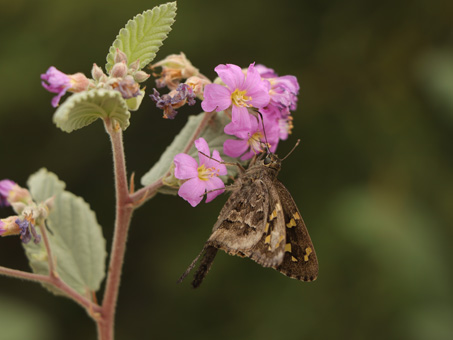
Dorantes Longtail butterfly (Cecropteris dorantes subsp. calafia) feeding on Teabush (Melochia tomentulosa).
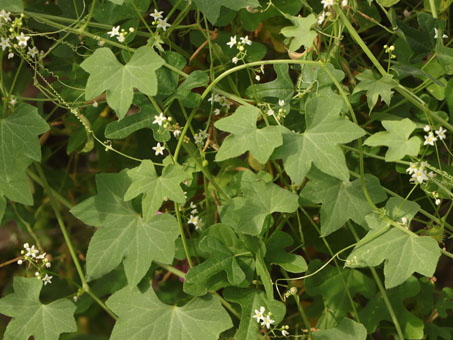
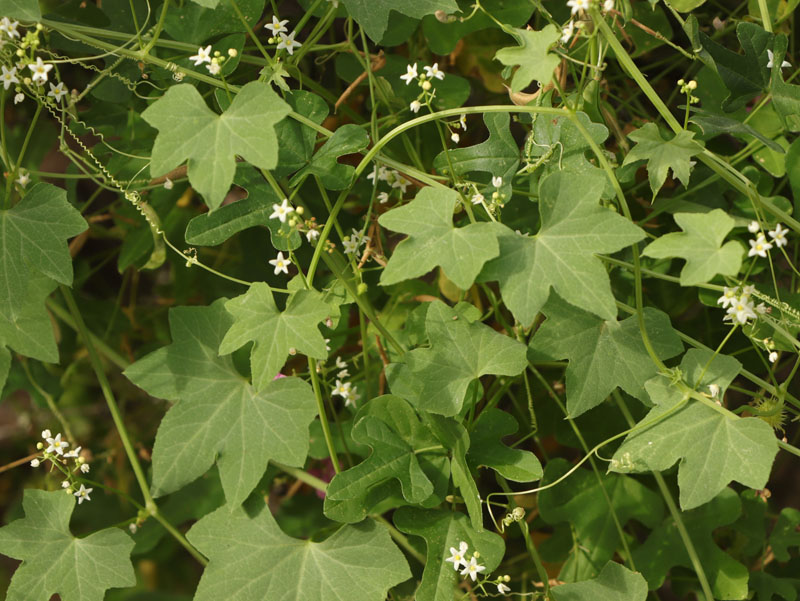
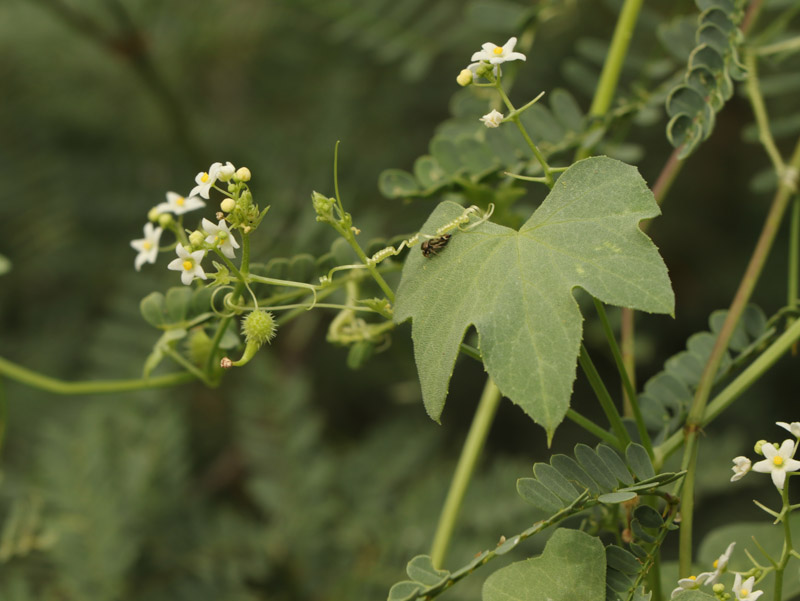
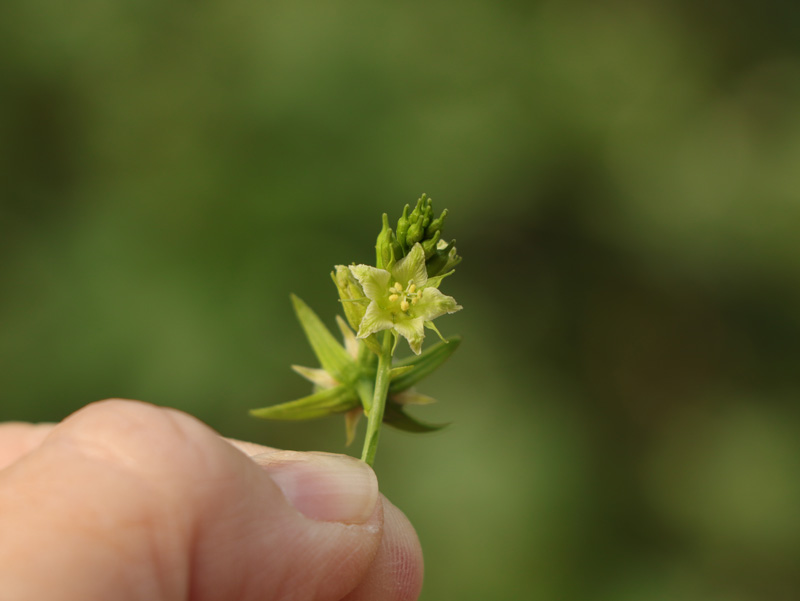
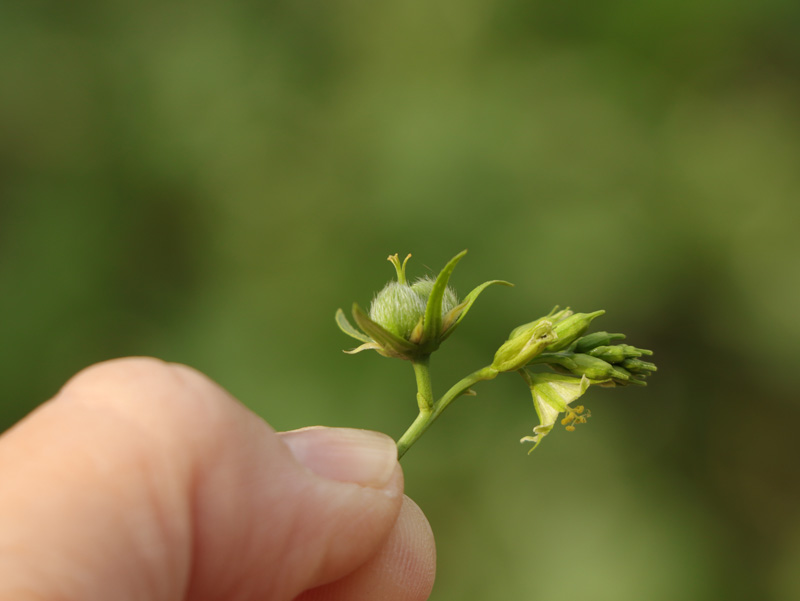
The Gulf Vaseyanthus (Vaseyanthus insularis) was once again in its full glory (not seen for 3-4 years), covering entire shrubs & climbing well up into trees & cacti.
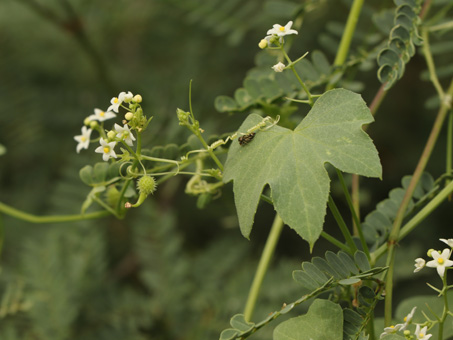
The white flowers visible on the raceme are staminate while a single pistillate flower is represented by the 1 cm L prickly pepo developing at its base.
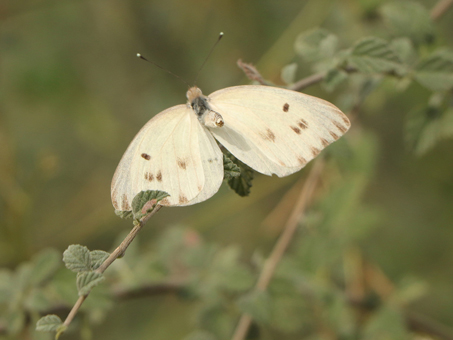
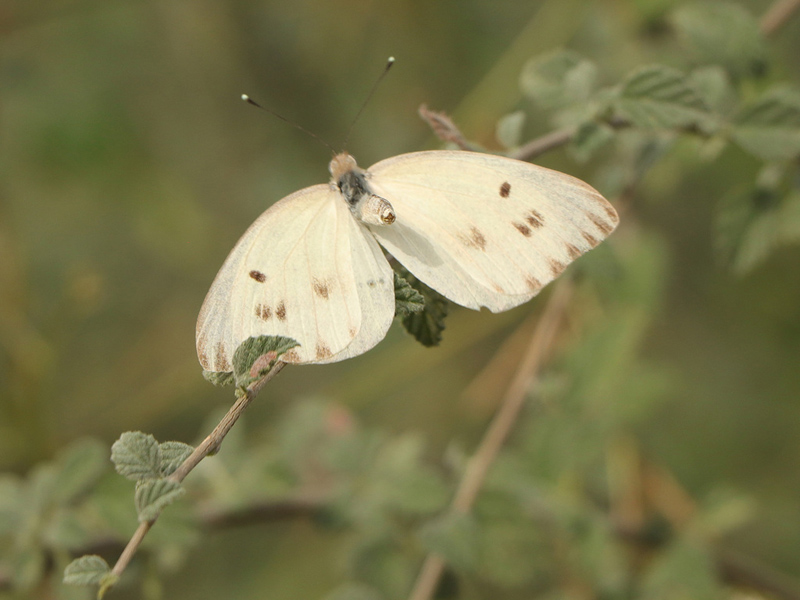
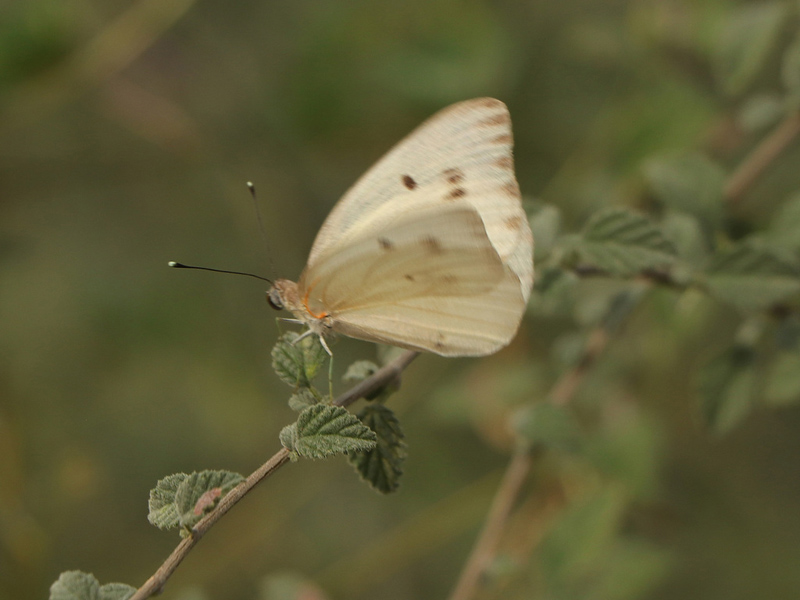
Howarth's White (Ganyra haworthi) on Little-leaf Cordia. According to a description of the species, this looks to be a female because of all the marks between the uppermost black spot & the lower wing edge.
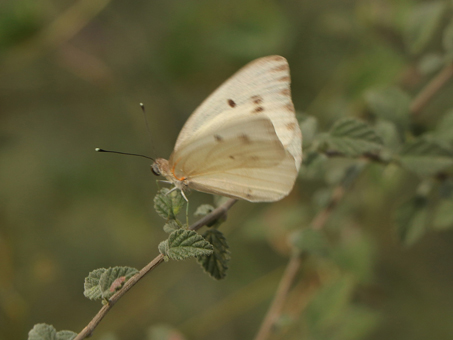
The wingspan of Howarth's White (here more a creamy color) is 4.5-4.8 cm W). It was fairly common today & on later walks. Ranges from Arizona to C. America. Putative host: Atamisquea emarginata.
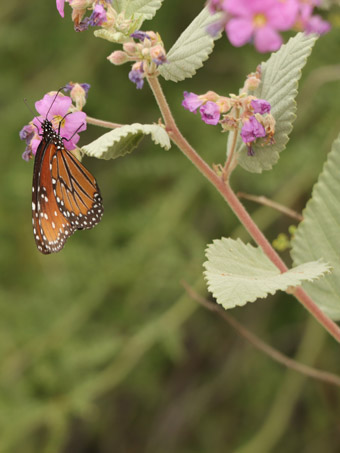
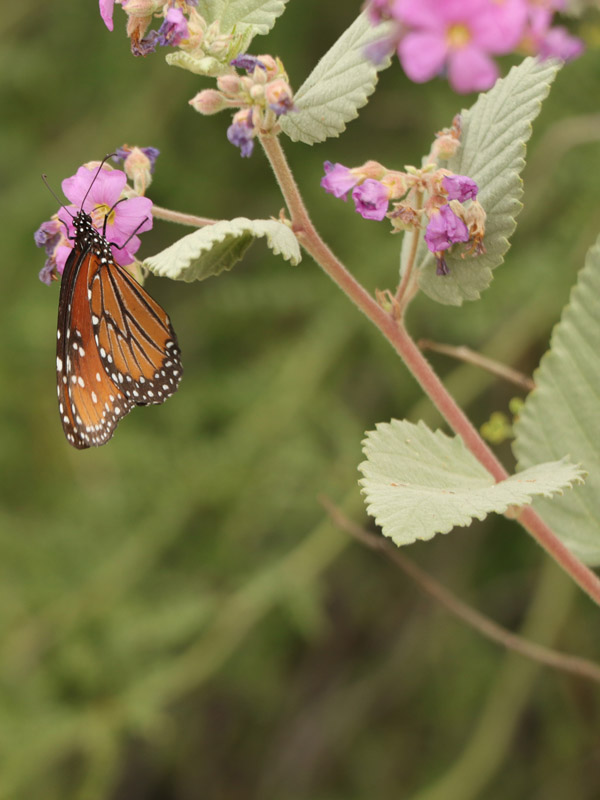
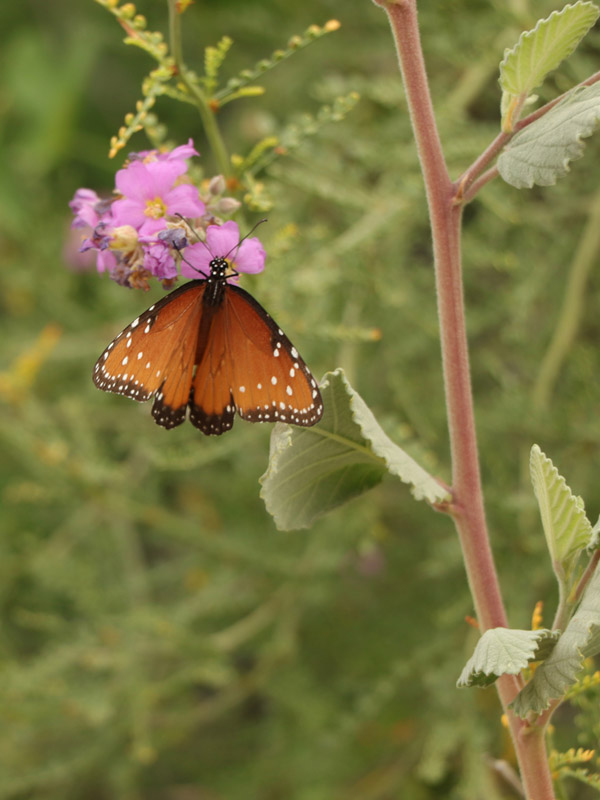
Queen (Danaus gilippus), a relative of the Monarch, feeding on Teabush. Host: various Milkweed species.
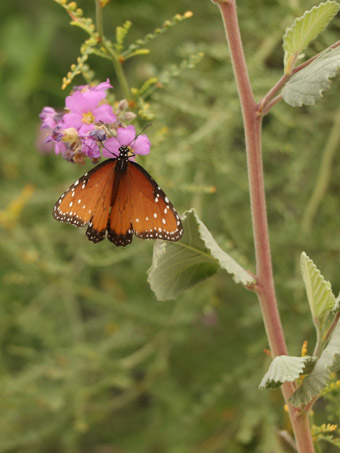
The Queen is a common local seen throughout much of the year when flowers are present.
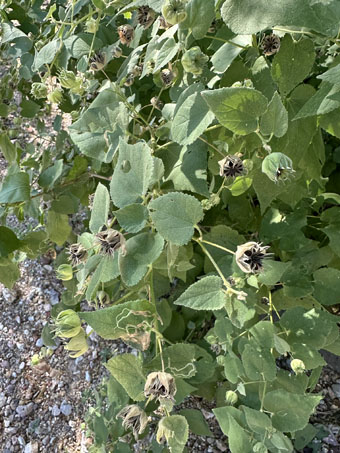
Palmer Indian-mallow loaded with fruit & seeds.
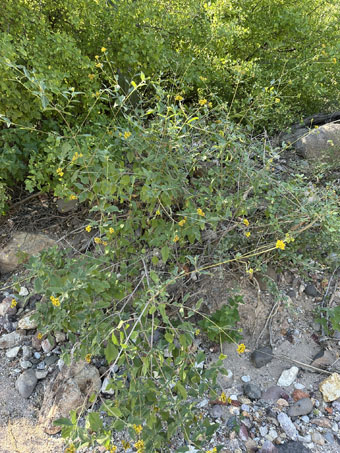
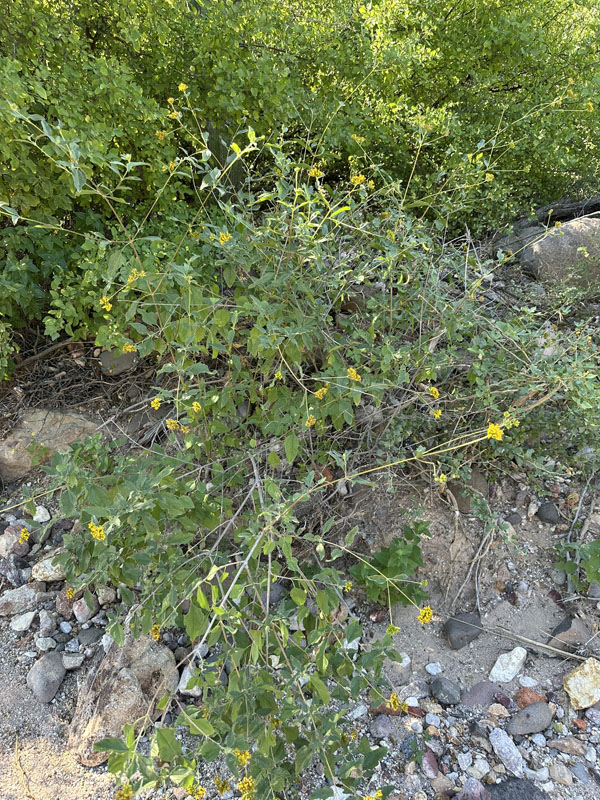
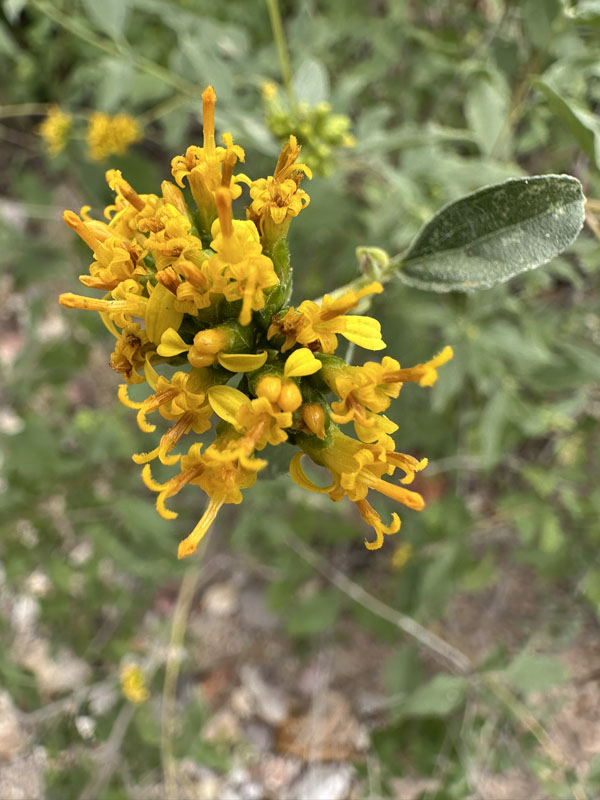
Baja California Alvordia (Aldama glomerata var. glomerata).
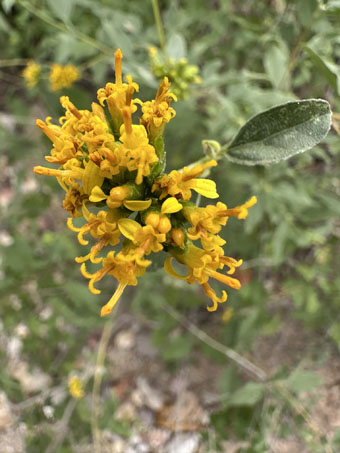
What appears as a single compound head 15-25 mm W is actually numerous glomerules, smaller units of involucres, each 2.5-5.0 mm D. Each involucre is few flowered (florets: 1-3 rays, 4-6 disks).
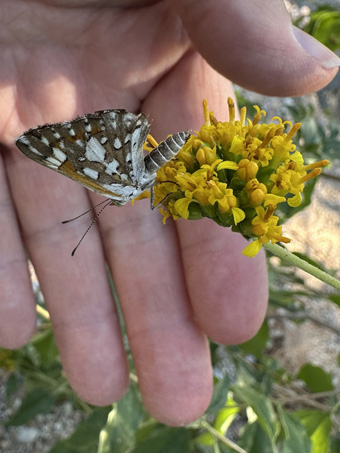
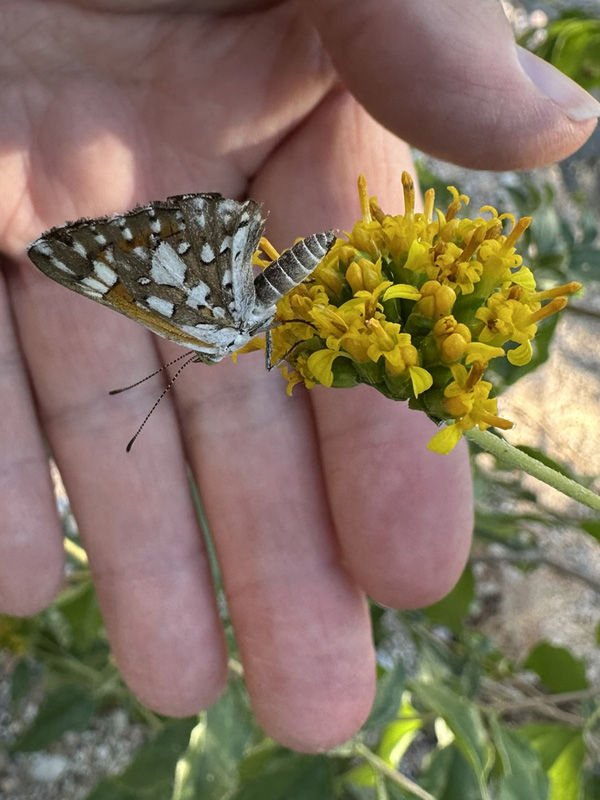
Baja California Metalmark (Apodemia mejicanus) on Aldama. So many of the butterflies would fly off with movement or my shadow, but this individual seemed
oblivious to my presence. Yes, it was alive & supping!
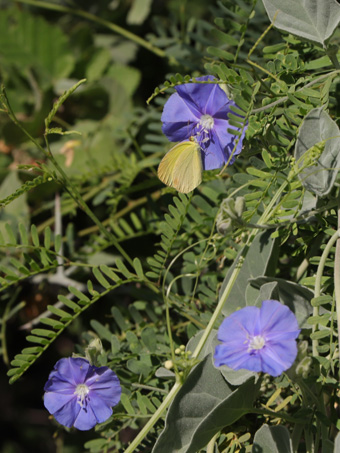
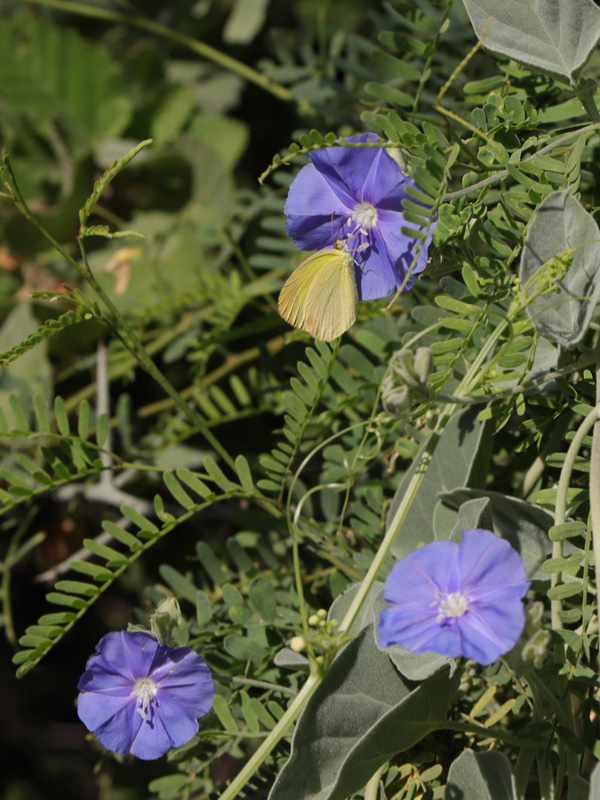
Eastwood Clustervine (Jacquemontia eastwoodiana).
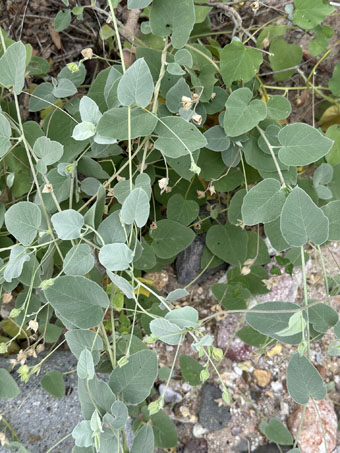
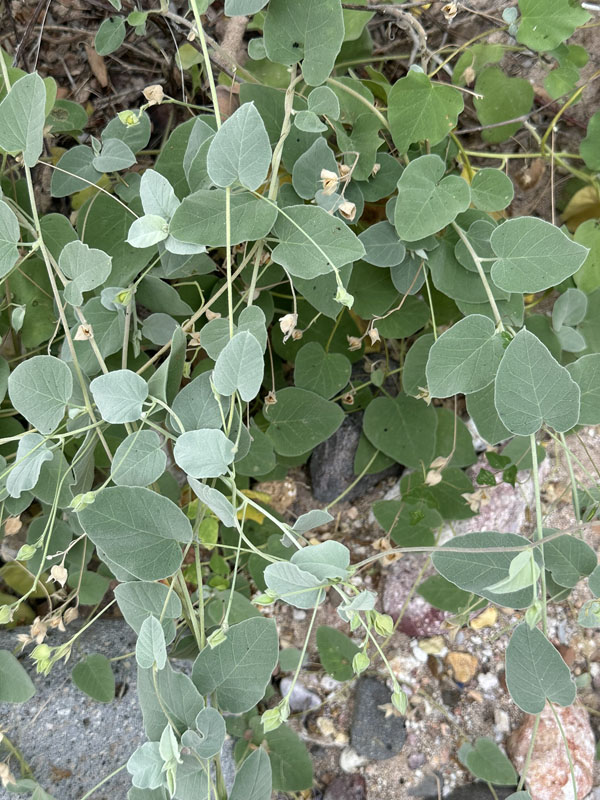
I find the soft, velvety leaves of Manto de la Virgen very eye-pleasing, always inviting me to fondle them.
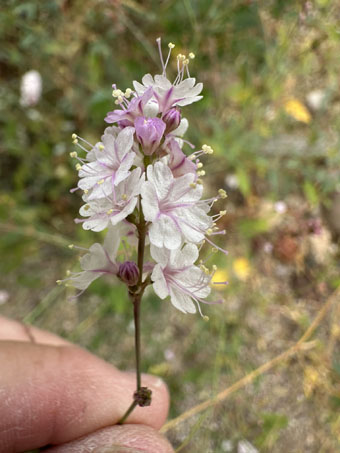
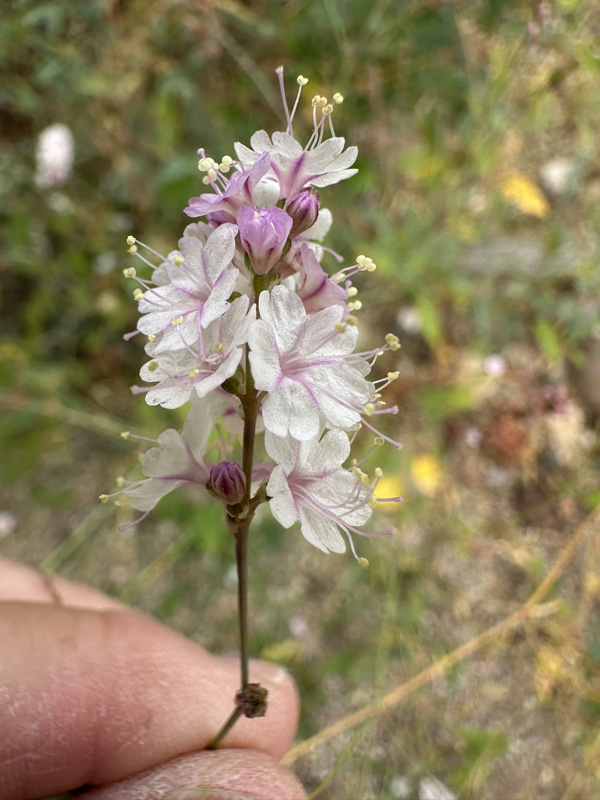
Xantus Spiderling (Boerhavia xantii). With few upper leaves, the racemes seem to float in the air
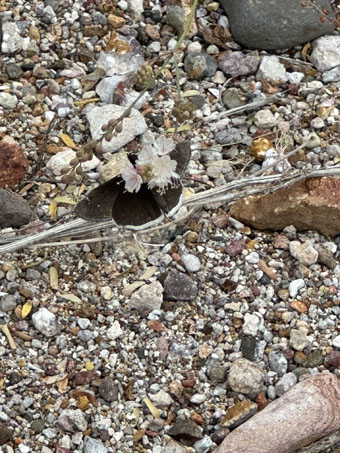
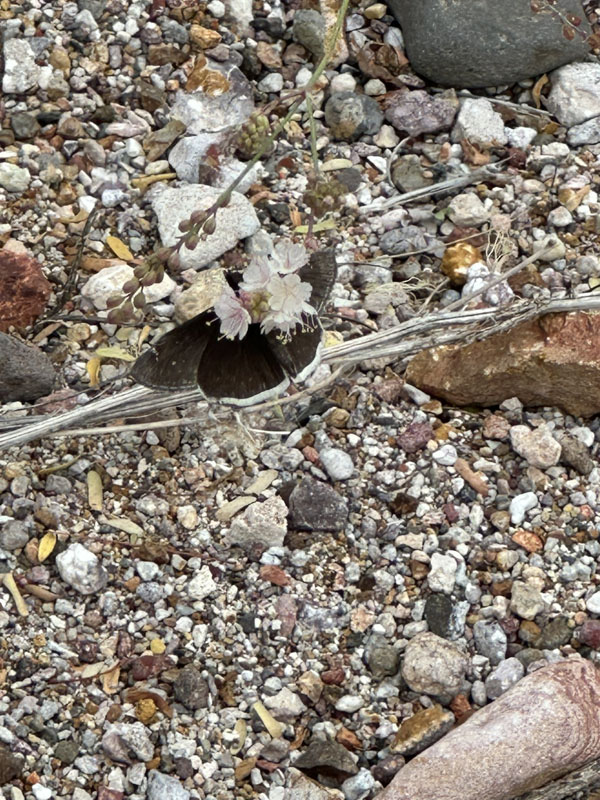
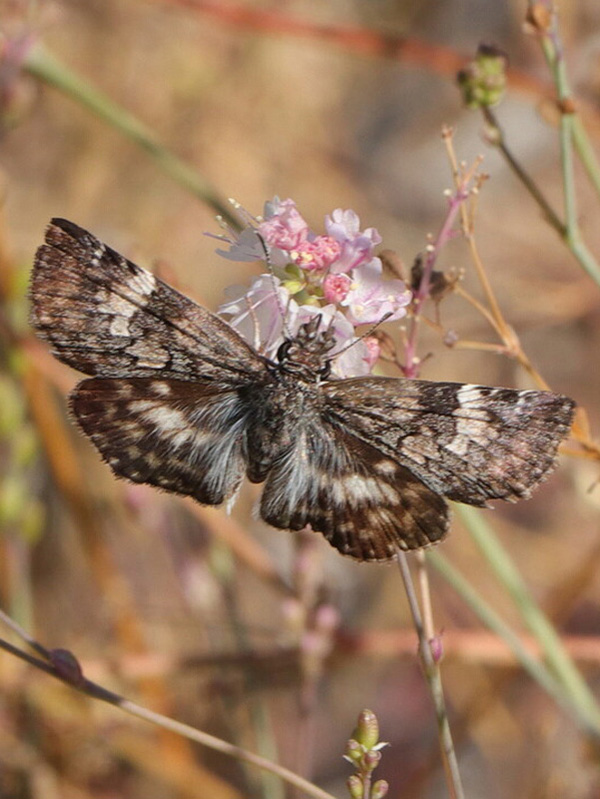
Funereal Duskywing (Erynnis funeralis) on Spiderling. Wingspan: 3.4-4.5 cm. Host: likely Olneya tesota.
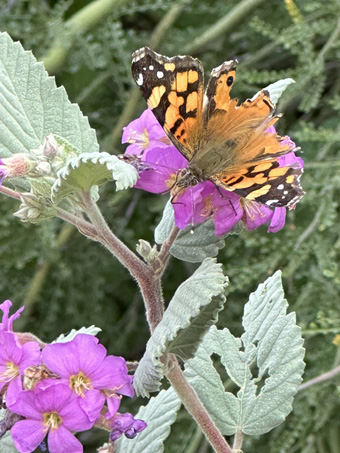
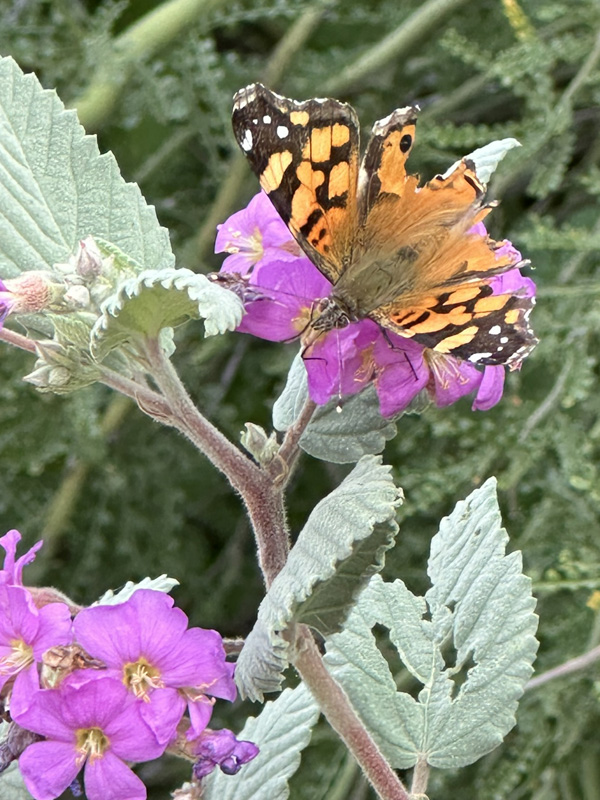
A very ragged West Coast Lady (Vanessa annabella) on Teabush (Melochia tomentosa). Hosts: mallows.
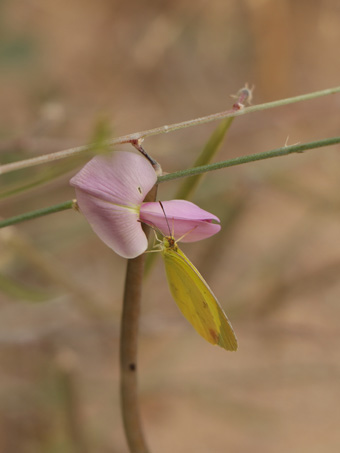
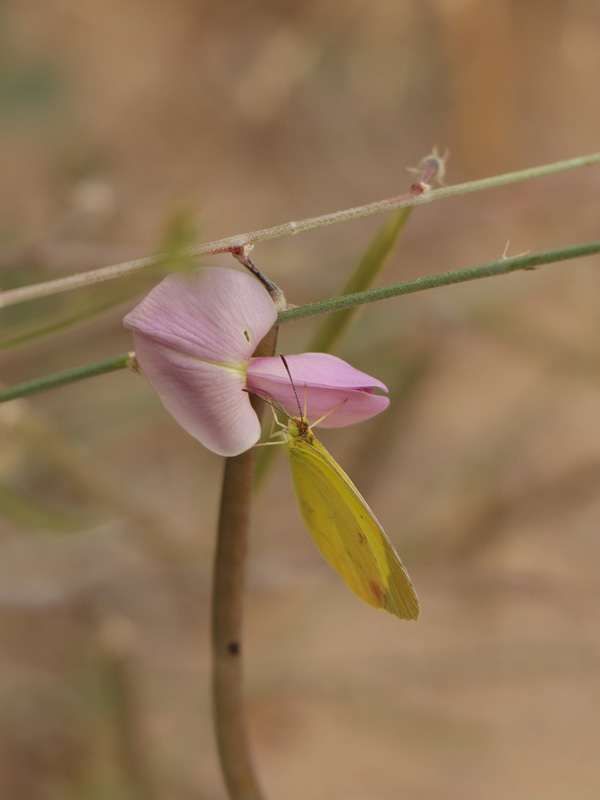
Mimosa Yellow (Eurema nise subsp. nelphe) on Palmer Hoarypea (Tephrosia palmeri).
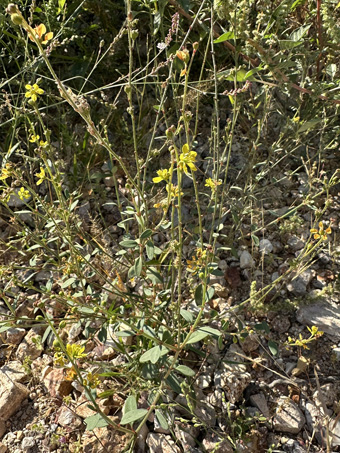
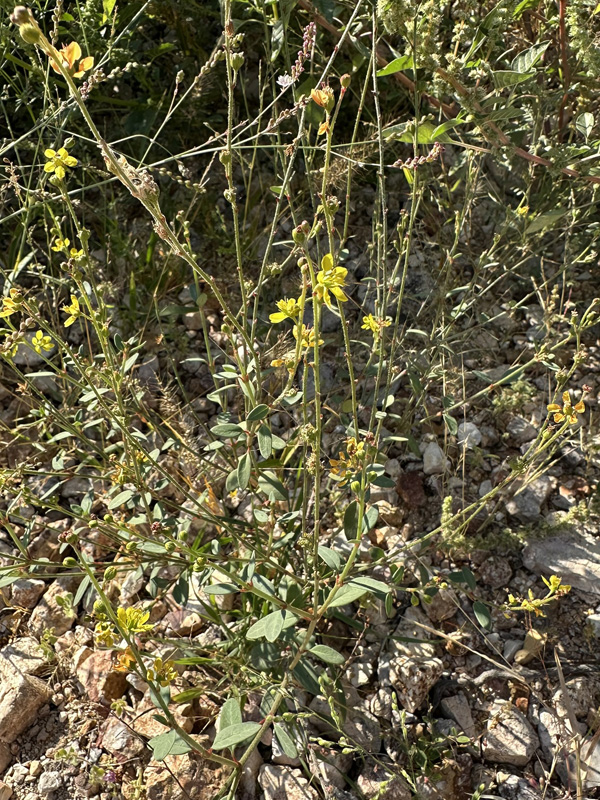
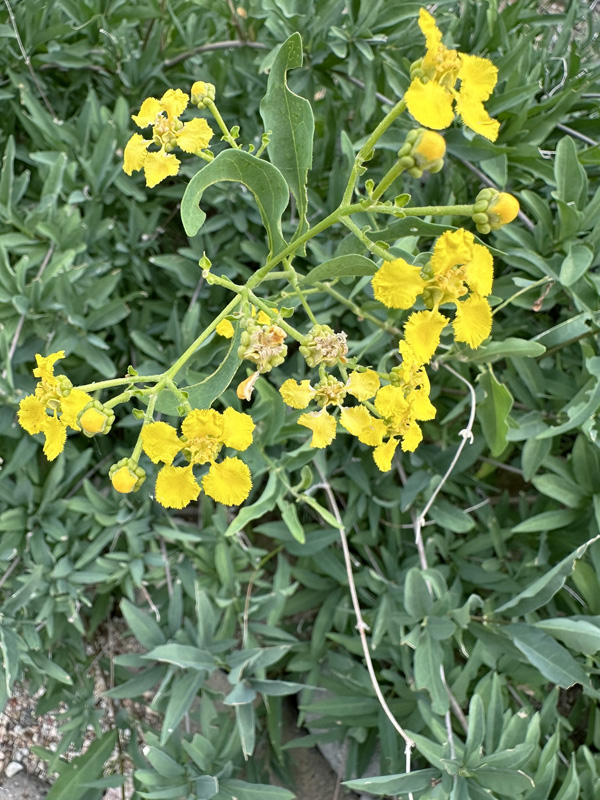
Narrow-leaf Goldshower (Galphimia angustifolia).
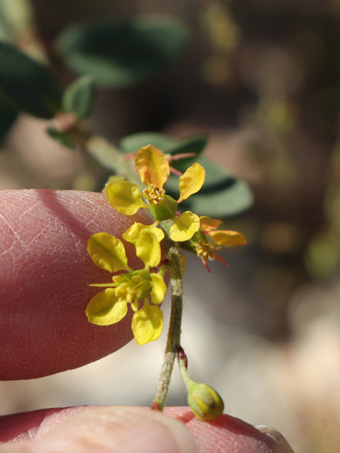
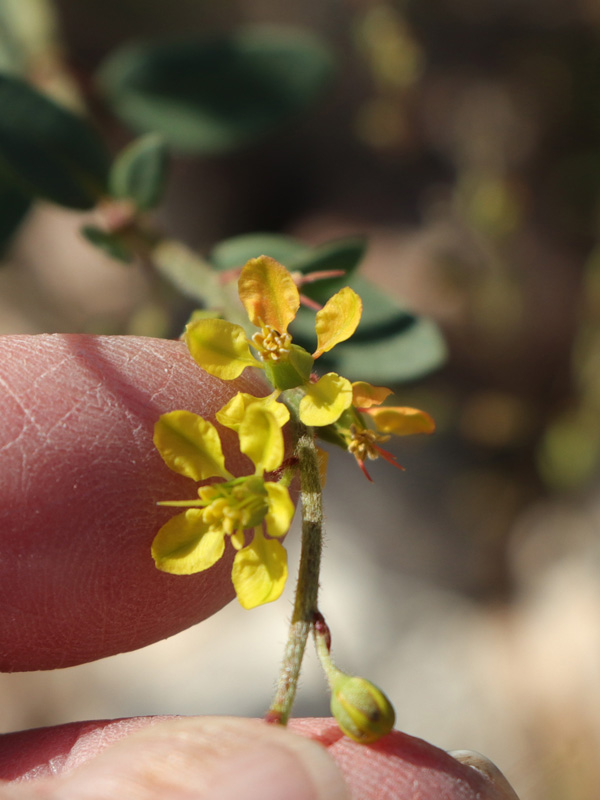
Narrow-leaf Goldshower flowers, each 8-9 mm D.
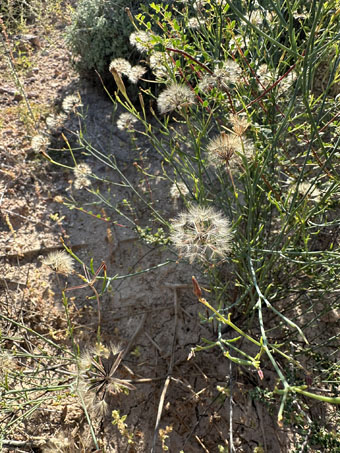
Slender Poreleaf (Porophyllum gracile).
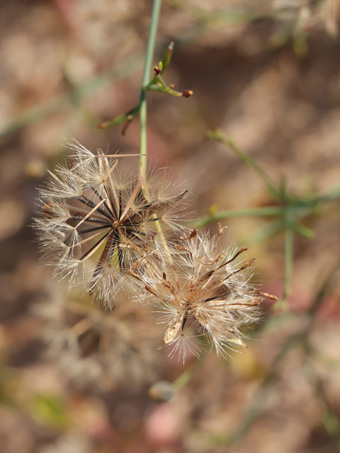
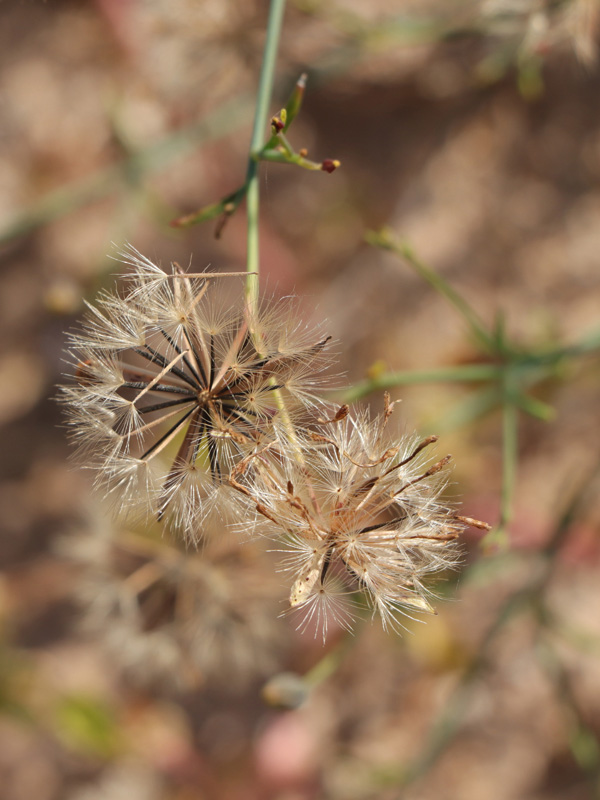
Achenes of Slender Poreleaf (Porophyllum gracile).
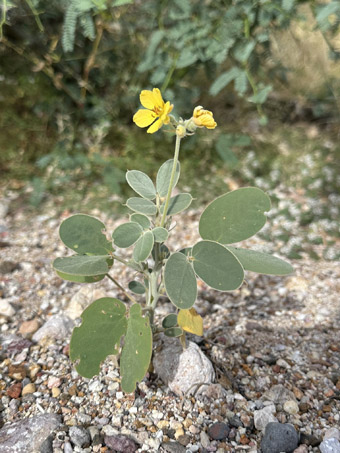
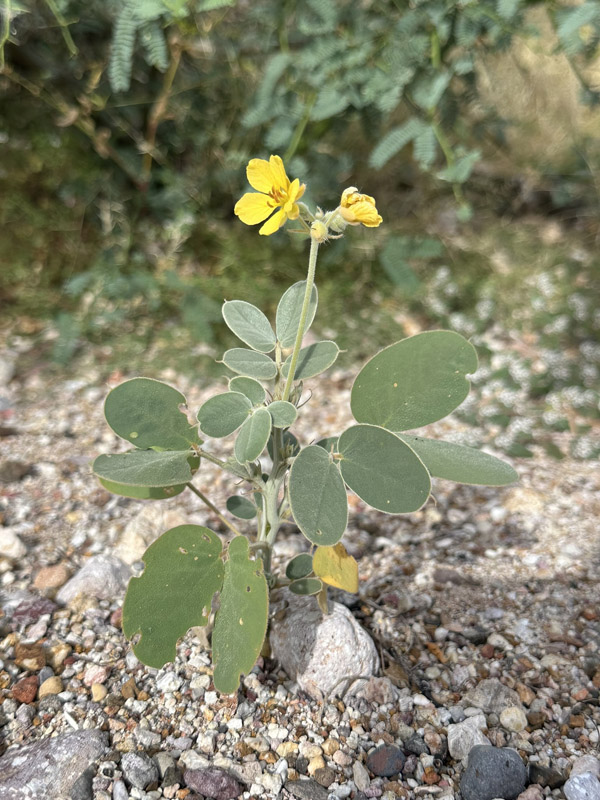
Hojasen (Senna confinis). More soft leaves to touch.
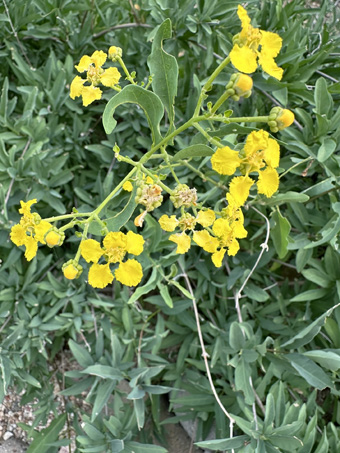
Butterfly Vine (Callaeum macropterum).
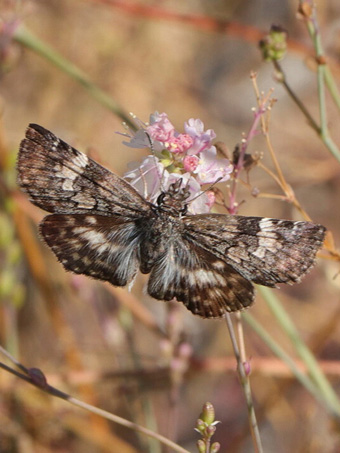
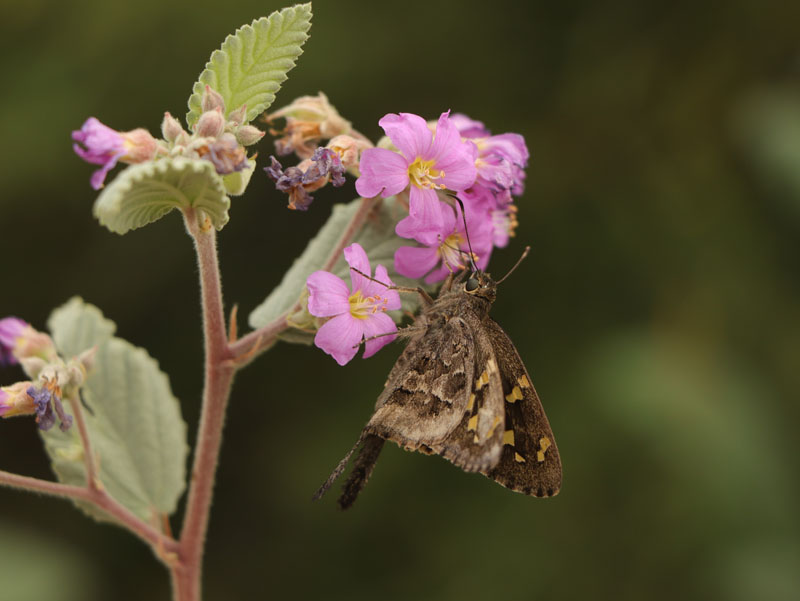
White-patched Skipper (Chiothion georgina ssp. pelagica) on Spiderling. Hosts: plants in Malpighiaceae (we have Galphimia and Callaeum).
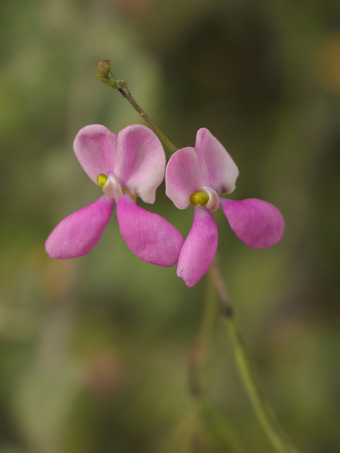
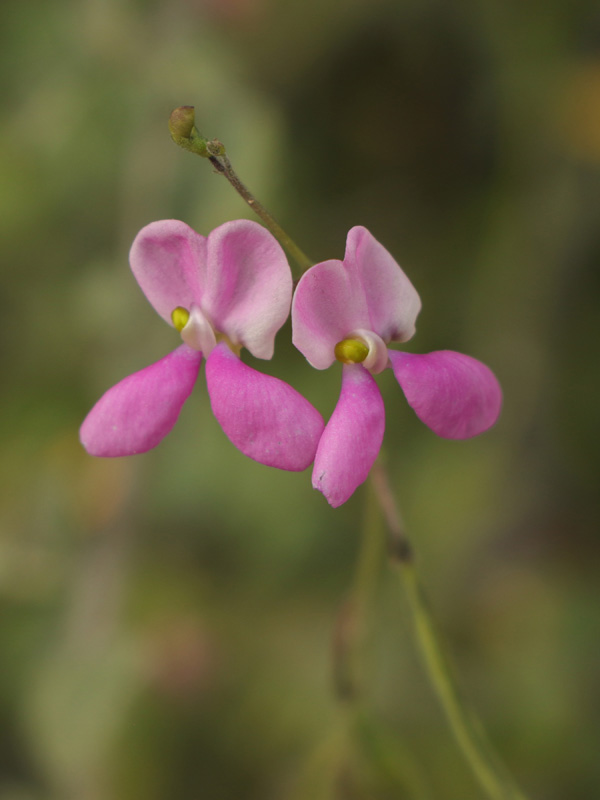
The annual Slimjim bean (Phaseolus filiformis) vine.
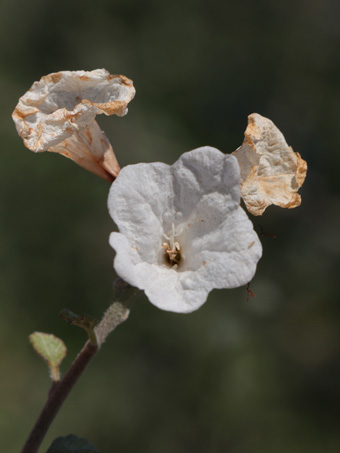
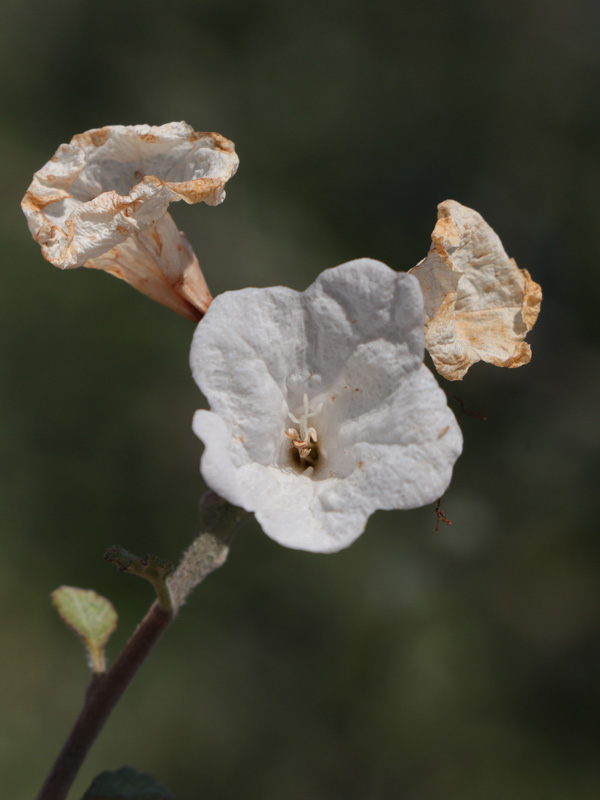
Little-leaf Cordia (Cordia parvifolia). Campanulate flowers 2.5-3 cm D x 1.5-2 cm L at tips of branches.
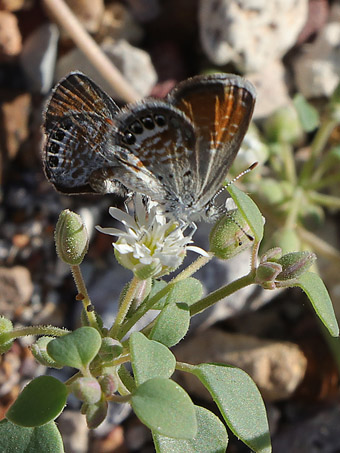
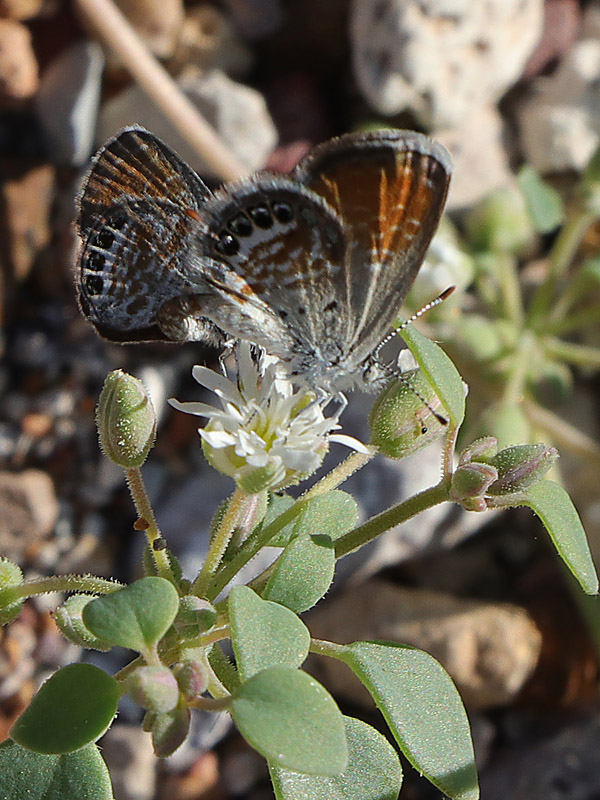
Western Pygmy-blue (Brephidium exilis). Wingspan: 12-20 mm. Hosts: Atriplex, Chenopodium, etc.
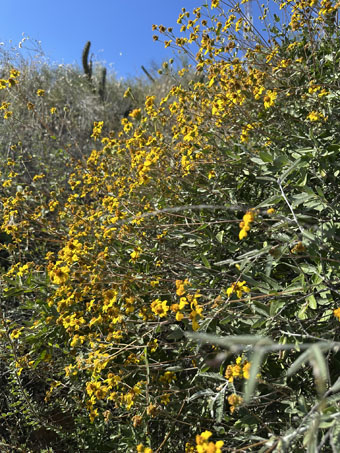
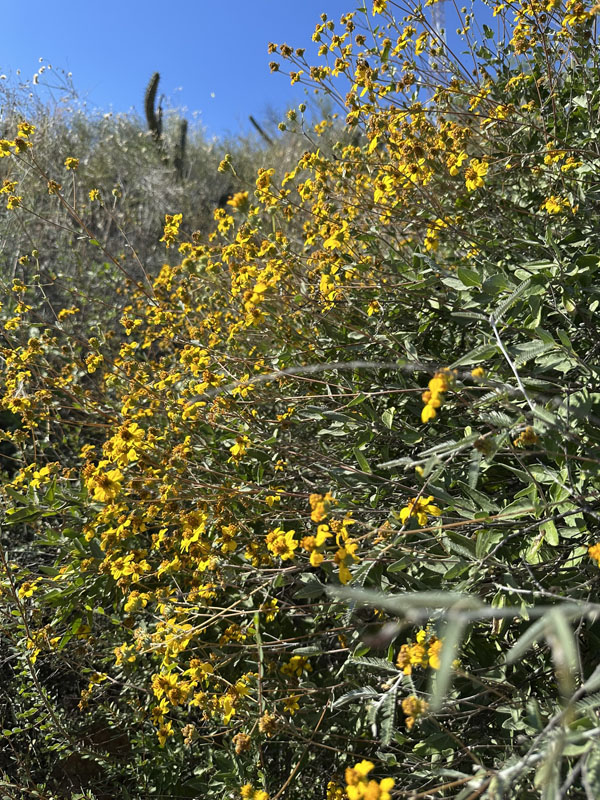
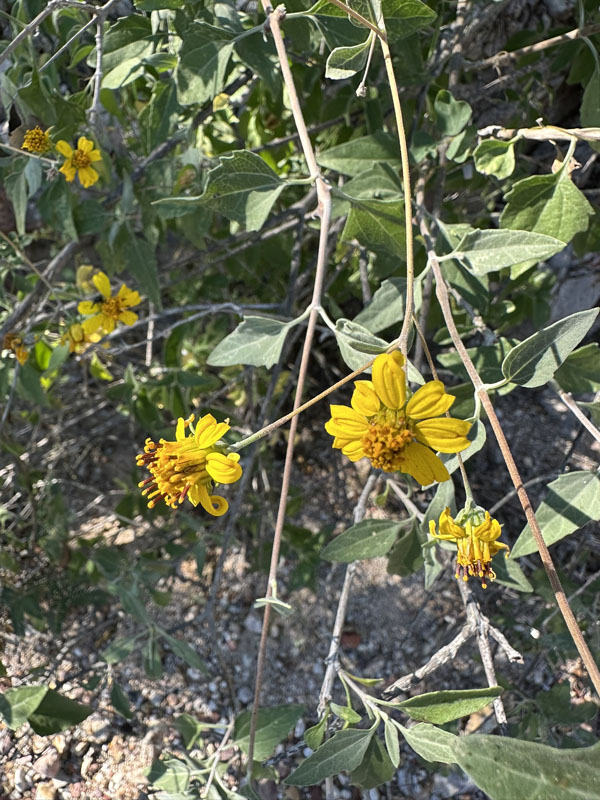
Baja California Goldeneye (Bahiopsis triangularis).
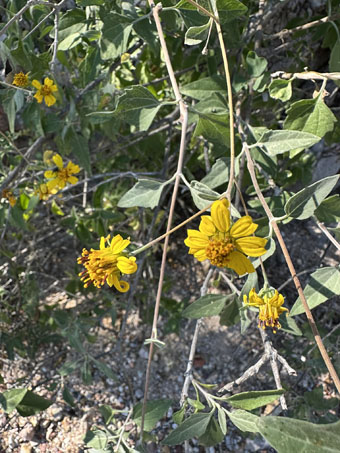
Closer view of Baja California Goldeneye.
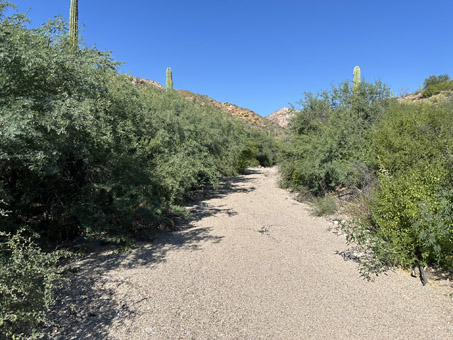
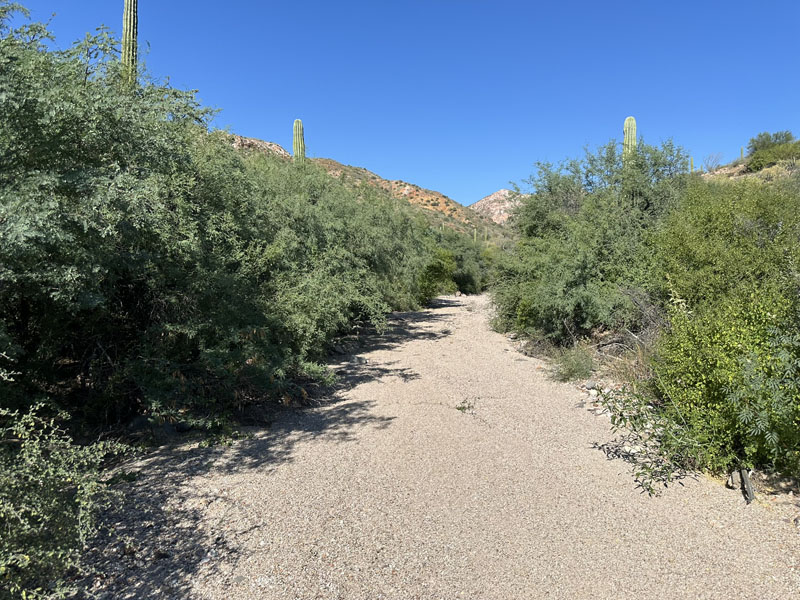
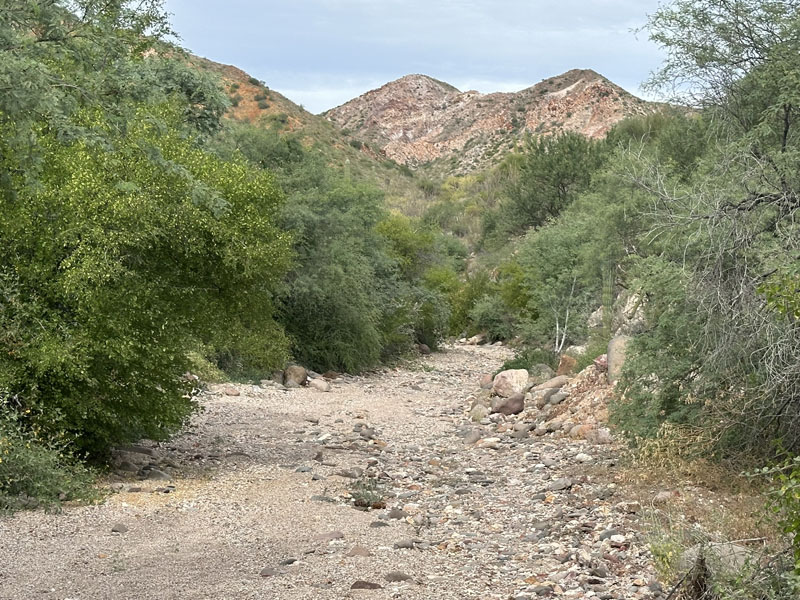
The arroyo with lush growth on shrubs and trees along the banks.
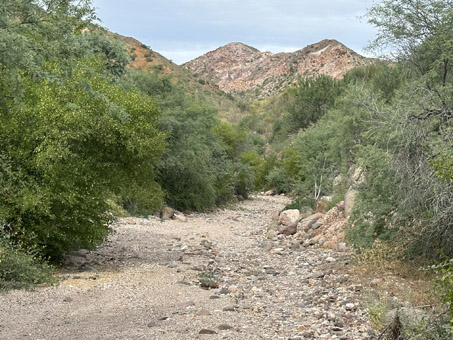
A little farther along the arroyo.
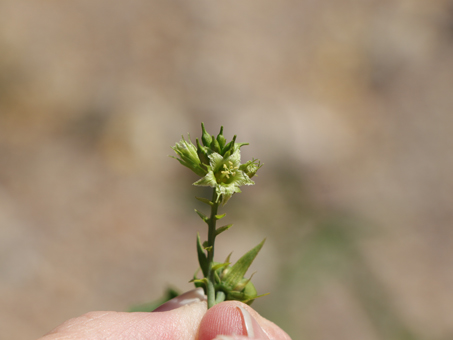
Brandegee Silverbush (Ditaxis brandegeei var. brandegeei) staminate flowers.
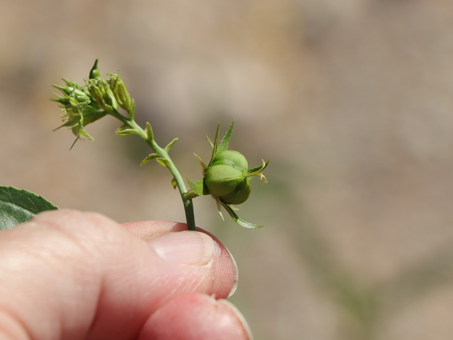
Brandegee Silverbush (Ditaxis brandegeei var. brandegeei) has glabrous fruit.
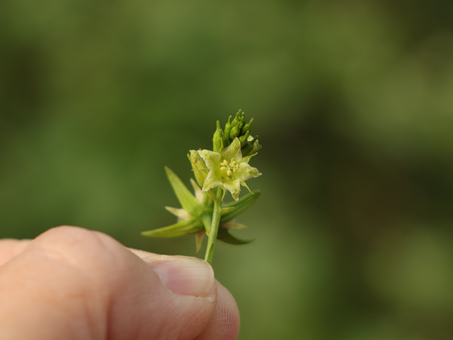
Brandegee Silverbush (Ditaxis brandegeei var. intonsa) staminate flowers.
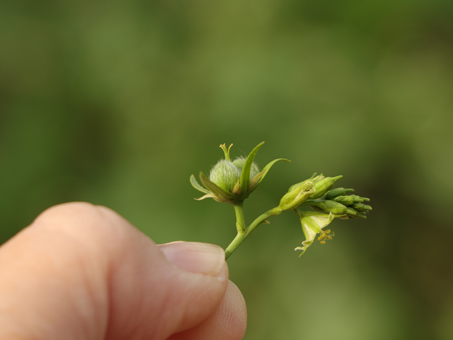
Brandegee Silverbush (Ditaxis brandegeei var. intonsa) has densely hairy fruit.
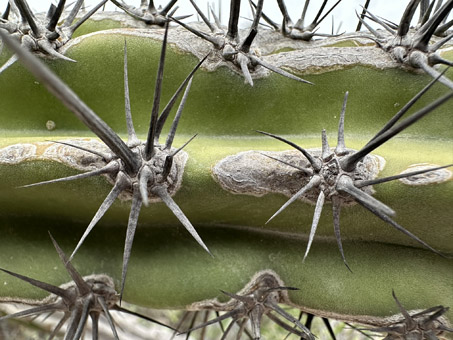
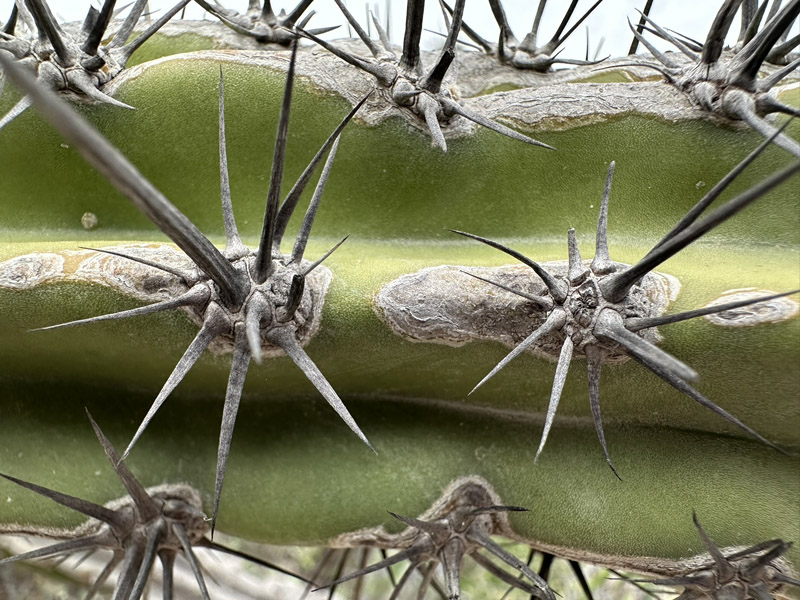
Cactus spines are so cool. Galloping Cactus (Stenocereus gummosus).
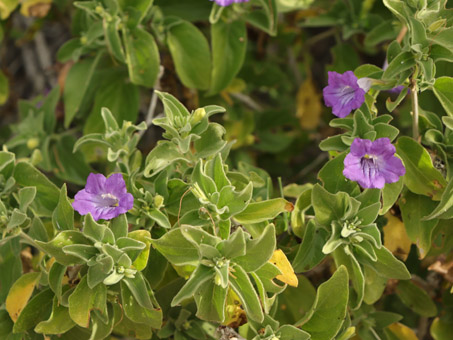
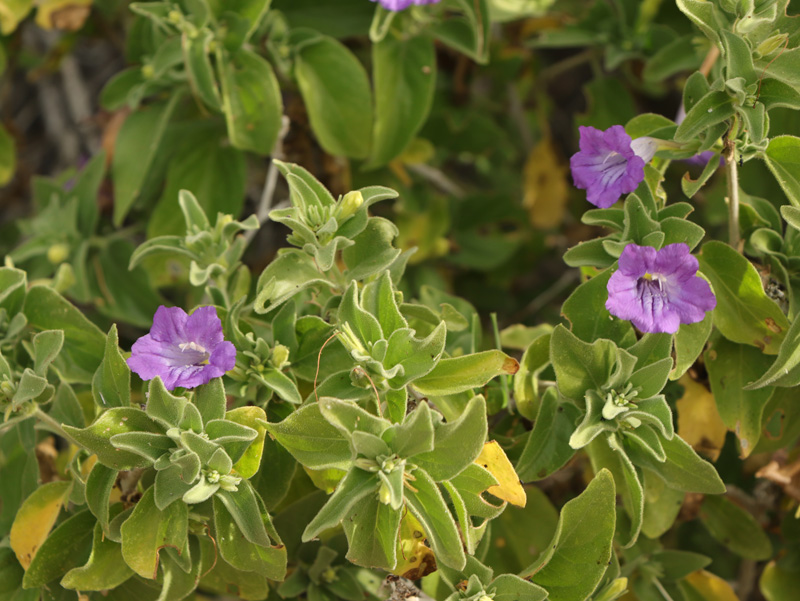
Baja California Wild Petunia (Ruellia californica subsp. californica)
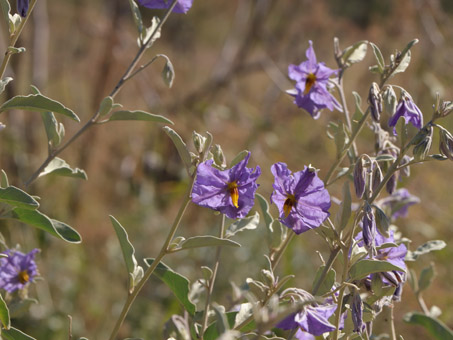
The Baja California Nightshade (Solanum hindsianum) was profusely blooming all up and down the arroyo.
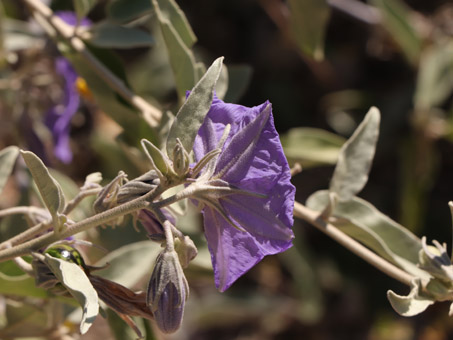
Lower side of BC Nightshade flower. A berry is just visible at far bottom left. Leaves are velvety, but the stems have some thorns.
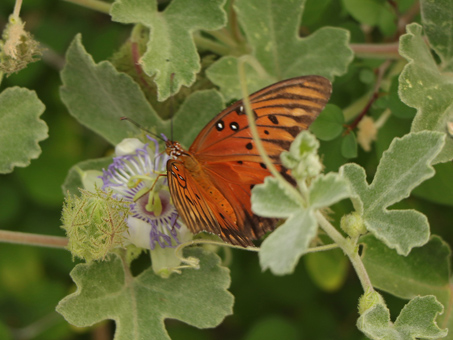
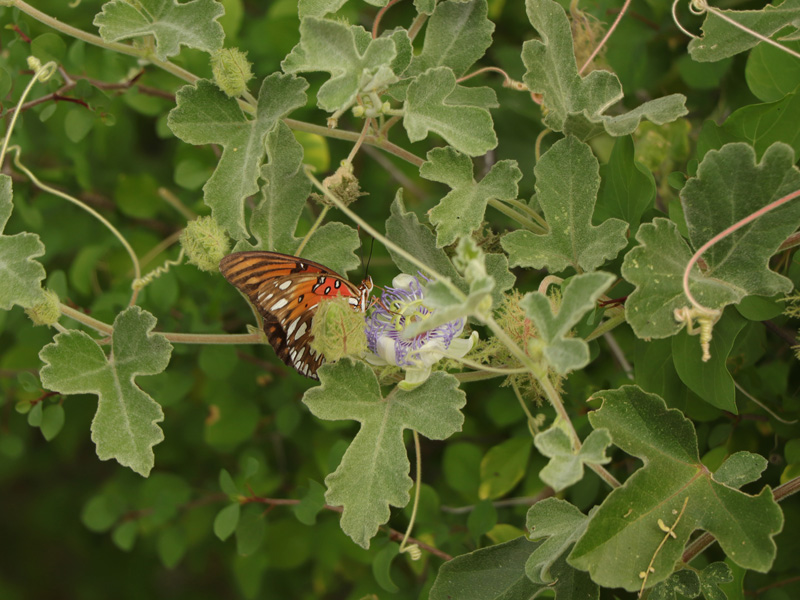
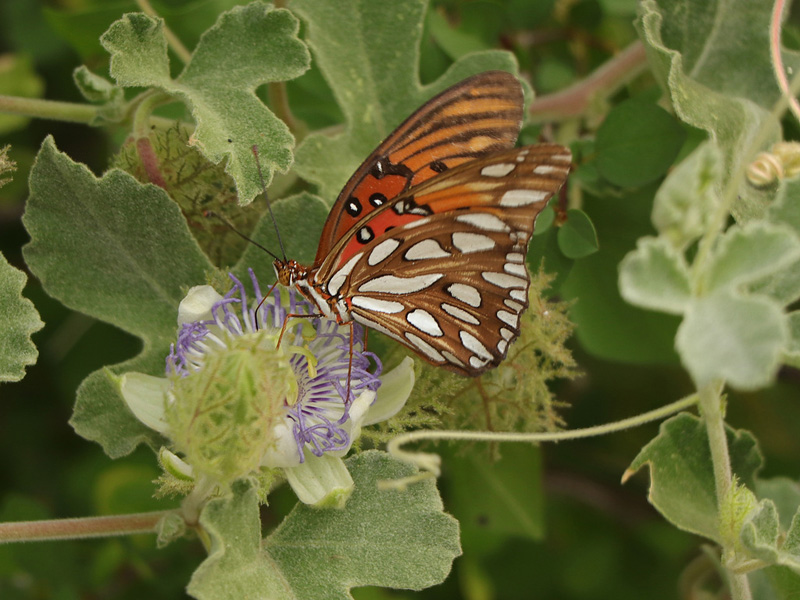
In all my years here, I do not remember ever having seen as many Gulf Frittilaries (Dione incarnata) as I have so far this season. The upper wing surfaces are showy, but give little clue to what lies below.
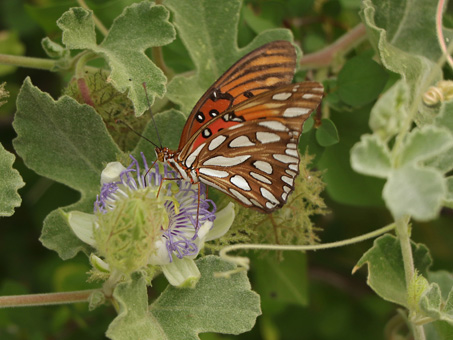
By contrast, the underside of the wings and body is quite striking. This page has great photos in all stages of the species' lifecycle. The black veins are heavier in females (above, left) than in males.
I was amazed at the diversity of butterflies, and after each visit, I would rush back home to try to ID what I'd just seen on iNaturalist. A couple of times, when looking closely at a photo of a flower or plant, I discovered that there was also some well-camouflaged insect, like a wasp or katydid, also in the frame.
I had so much fun in the arroyo in November and actually visited it on numerous occasions. There was just so much to see and document, and then of course I would have to take friends along to share it all. Which then meant I didn't get any farther up the arroyo with them, necesitating another visit...
Until next time, hasta pronto...see you soon.
Debra Valov — Curatorial Volunteer
For a full inventory list of this month's plants (family, latin name and common names in both English and Spanish as well as links to photos from previous posts or my iNaturalist observations), visit this page.
References and Literature Cited
Rebman, J. P., J. Gibson, and K. Rich, (2016). Annotated checklist of the vascular plants of Baja California, Mexico. Proceedings of the San Diego Society of Natural History, No. 45, 15 November 2016. San Diego Natural History Museum, San Diego, CA. Full text available online.
Rebman, J. P and Roberts, N. C. (2012). Baja California Plant Field Guide. San Diego, CA: Sunbelt Publications. Descriptions and distribution.
Valov, D. (2020). An Annotated Checklist of the Vascular Plants of Mulegé, Baja California, Mexico. Madroño 67(3), 115-160, (23 December 2020). https://doi.org/10.3120/0024-9637-67.3.115
Wiggins, I. L. (1980). The Flora of Baja California. Stanford University Press. Keys and descriptions.